
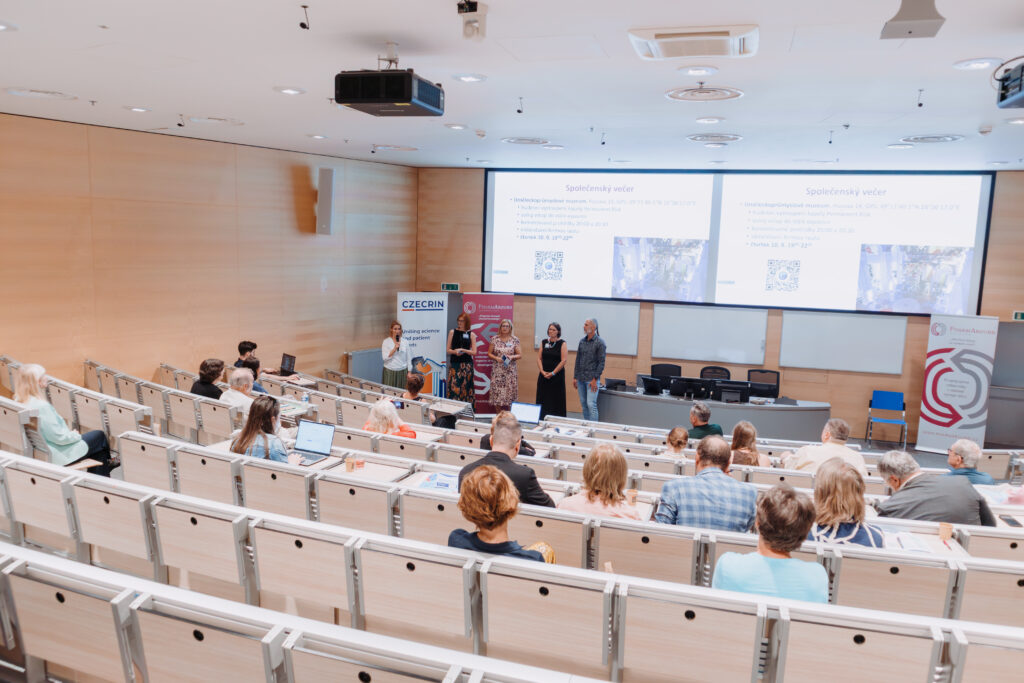
Four scientific conferences, a three-day program, and a wide range of topics, from preclinical research through toxicology and personalized pharmacotherapy to academic clinical trials. On September 9–11, 2026, the Joint Conference of Pharmacological and Toxicological Societies took place at the Faculty of Medicine of Masaryk University in Brno, bringing together nearly 150 experts from the Czech Republic, Slovakia, and abroad.
As part of Joint Conference of Pharmacological and Toxicological Societies have joined forces this year 73rd Czech-Slovak Pharmacology Days, 31st TOXCON Conference, 25th Czech Conference on Clinical Pharmacology and 29th Czech TDM Conference. Under the leadership of the conference president Regina Demlová, Head of the Institute of Pharmacology at the Faculty of Medicine, Masaryk University, and Director of the CREATIC Center of Excellence and Czech National Networks for the Support of Clinical Research CZECRIN, A three-day professional program was developed by a broad team of scientists and organizers. The following individuals collaborated on organizing the conference: Masaryk University School of Medicine, Czech Society for Experimental and Clinical Pharmacology and Toxicology, Czech Society of Clinical Pharmacology of the Czech Medical Association of J. E. Purkyně, CZECRIN and PharmAround Endowment Fund. The individual sessions brought together experimental and clinical pharmacology, toxicology, therapeutic drug monitoring, personalized medicine, education, and clinical research.
From Basic Research to Clinical Practice
The scientific program opened with a plenary lecture by Peter McCourt, which highlighted recent advances in research on liver function and the mechanisms involved in the exchange of substances between the blood and liver tissue. In his presentation, he focused in particular on the fenestrations of hepatic sinusoidal endothelial cells, which play a significant role in the exchange of substances between the bloodstream and hepatocytes.
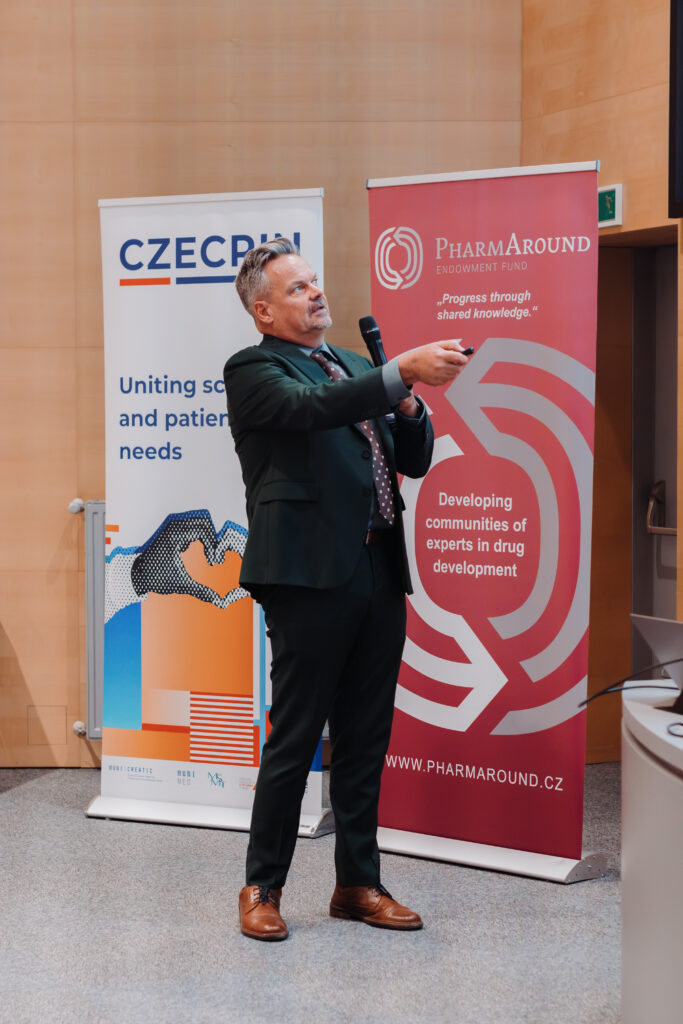
The very first day of the conference demonstrated just how broadly pharmacology today bridges research with topics that are increasingly finding their way into clinical practice. The session “Cannabis and Psychedelics: Between Research and Clinical Practice” offered insights into both areas, ranging from pharmacological mechanisms to concrete experiences with their therapeutic applications.
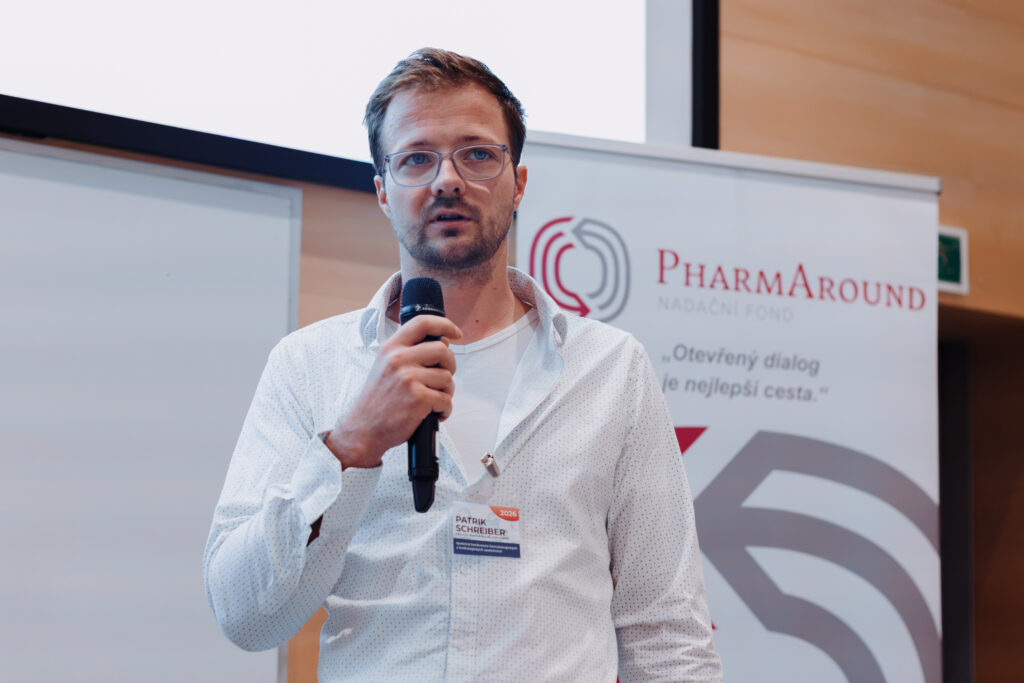
Patrik Schreiber presented the latest developments in medical cannabis research and production at St. Anne’s University Hospital in Brno, a field in which a team led by Václav Trojan. He was followed by Leoš Landa, who gave a lecture on the impact of medical cannabis on the quality of life of patients with chronic pain, and Radovan Hřib discussed its use in clinical practice through specific examples from pain management.
The second part of the set was dedicated to psychedelic music. Petra Amchová discussed their pharmacology and neurobiological mechanisms, while Leoš Ševčík applied the topic to clinical practice and presented psychotherapeutic care within the PSIKET 002 clinical trial, which explores the potential use of psychedelic-assisted psychotherapy for cancer patients experiencing depression and anxiety.
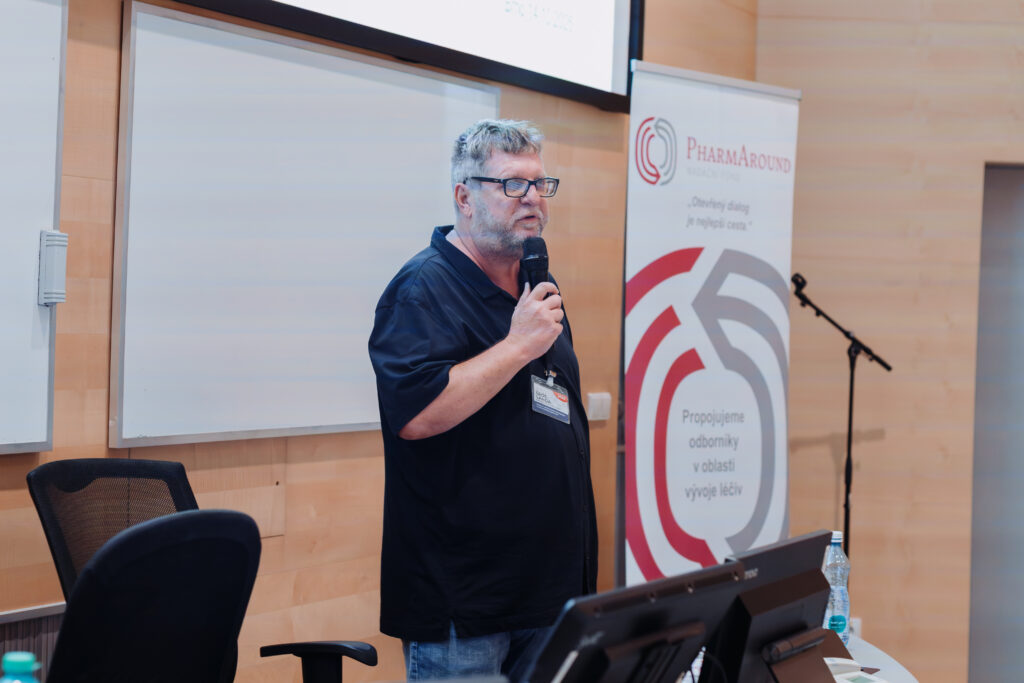
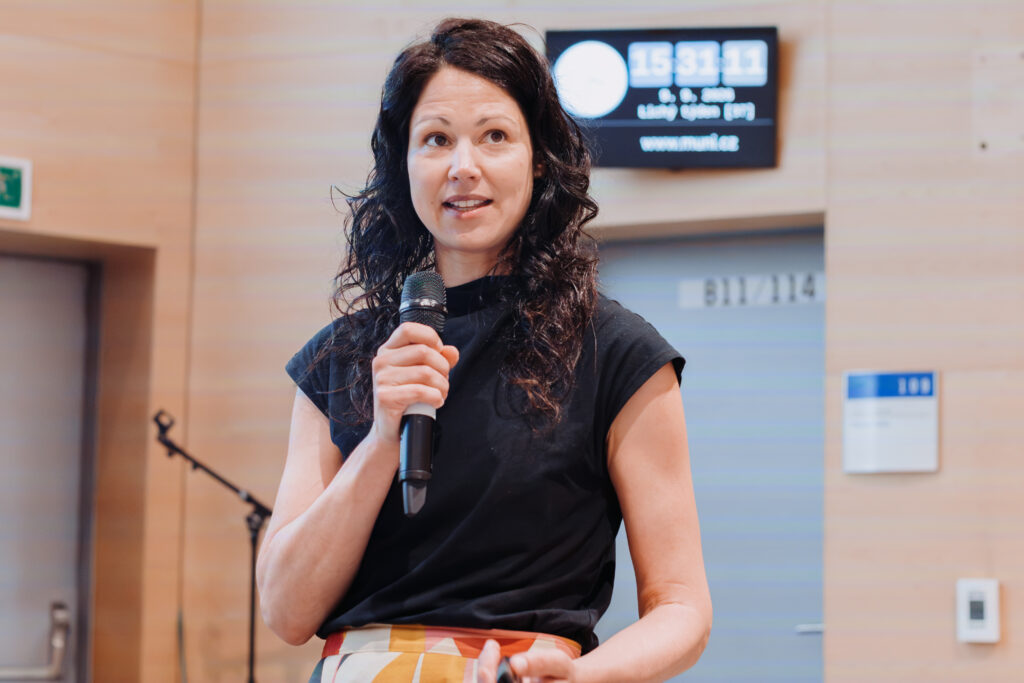
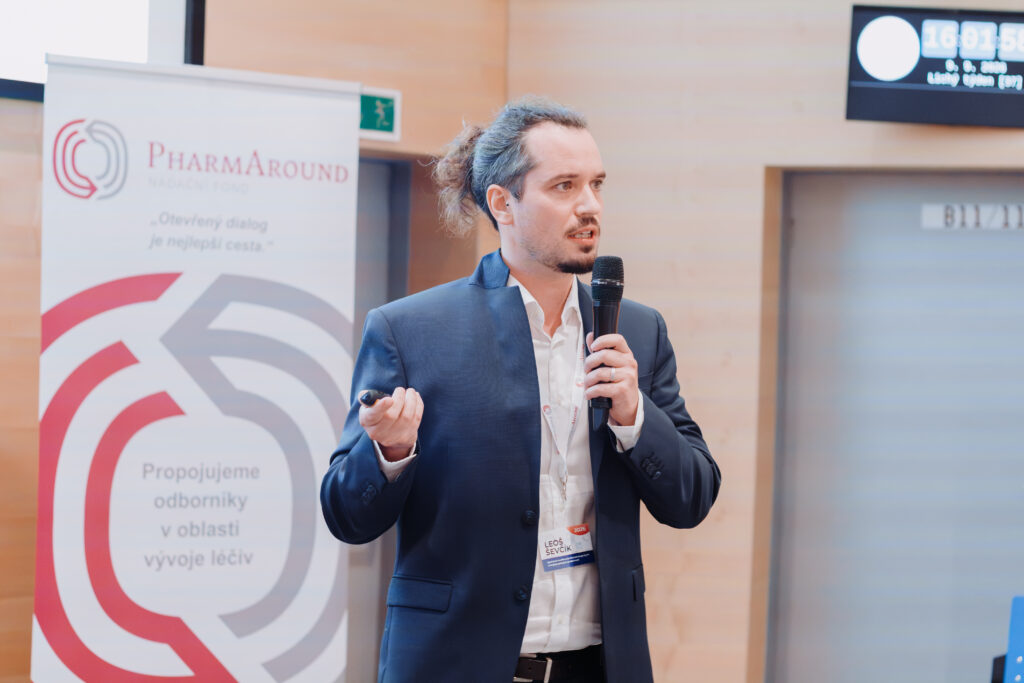
It was precisely this journey—from understanding the mechanisms of action, through preclinical and clinical research, to the application of these findings in the care of individual patients—that ran through the entire program.
Personalized Pharmacotherapy: Treatment Based on Data Specific to the Individual Patient
The second day of the conference began with a discussion on personalized pharmacotherapy. Jitka Rychlíčkovádiscussed therapeutic drug monitoring as one of the tools for personalizing pharmacotherapy. She focused on how to translate information about plasma concentrations and pharmacokinetics into decision-making that has a real impact on patients’ clinical outcomes, and she highlighted the need for further research, particularly in the area of antibiotic therapy.
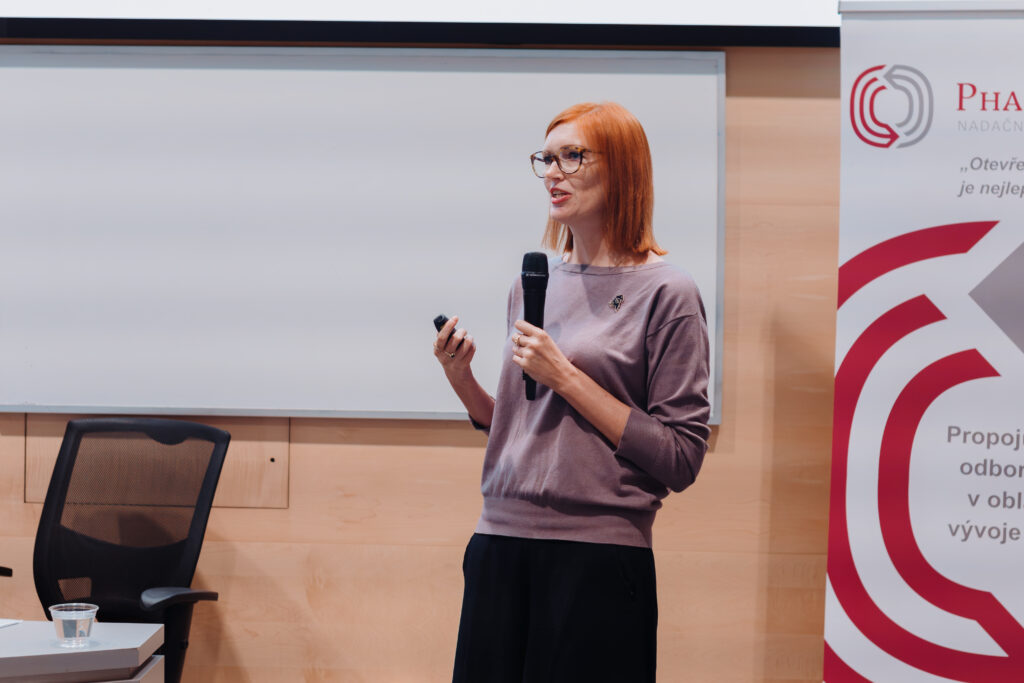

Adriana Papiež presented the CAATS center, which, as part of the CZECRIN , helps improve access to advanced treatments for patients with unmet medical needs. In collaboration with the Center for Precision Medicine at Brno University Hospital , it combines clinical expertise, the evaluation of available data from research and practice, and a patient-centered approach with the goal of supporting decision-making in complex clinical situations. Michaela Krivošová, who focused on pharmacogenetics and therapeutic drug monitoring in psychiatry.
Both approaches can provide complementary insights into why individual patients respond differently to the same treatment, thereby helping to tailor psychopharmacotherapy to each patient. The lecture focused not only on their current use in clinical practice but also on issues that still need to be resolved so that these tools can be utilized more widely.
Blok thus pointed out that decisions regarding pharmacotherapy are increasingly based not only on the properties of the drug itself, but also on the patient’s individual characteristics, their response to treatment, and high-quality clinical data.
Academic Clinical Trials as a Path to Changing Clinical Practice
A key part of the program was the section titled “Academic Clinical Trials Changing Clinical Practice,” which also directly relates to the mission and work of CZECRIN.
Specific examples have shown how academic clinical trials can provide answers to questions that arise directly in the day-to-day care of patients and for which there is often a lack of sufficient clinical data. Zuzana Moťovská presented the DAPT SHOCK AMI study, which focused on antithrombotic therapy for patients with acute myocardial infarction complicated by cardiogenic shock. Daniela Žáčková discussed the HALF study, which examines options for safely discontinuing targeted therapy in patients with chronic myeloid leukemia, and Veronika Kunešová demonstrated how data can help distinguish so-called “stroke mimics”—conditions that mimic a stroke—and thus improve decision-making regarding acute treatment.
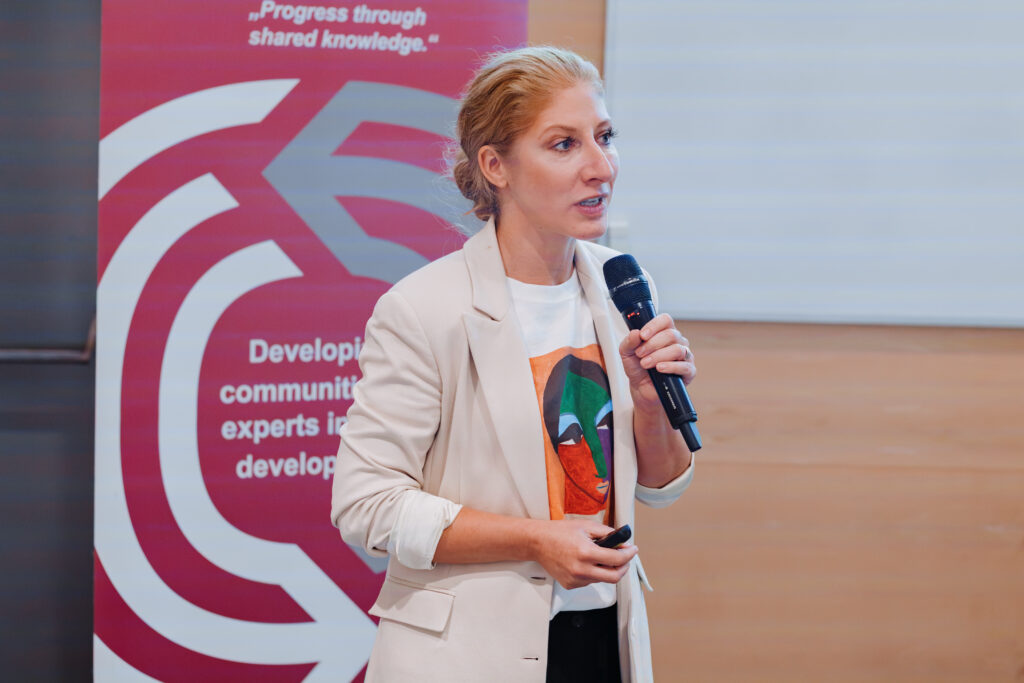
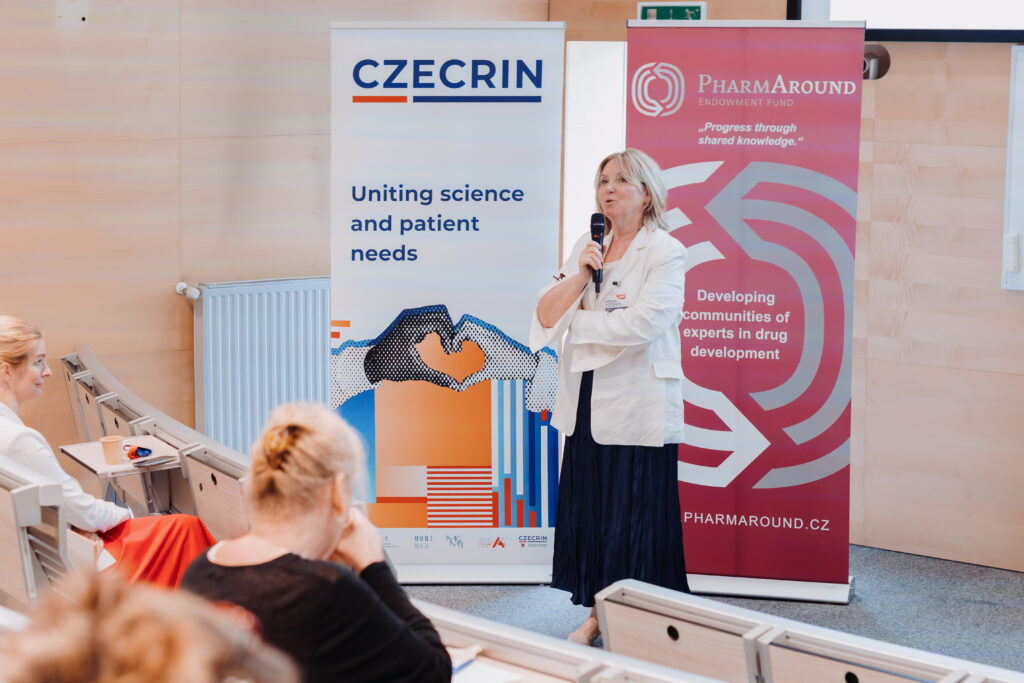
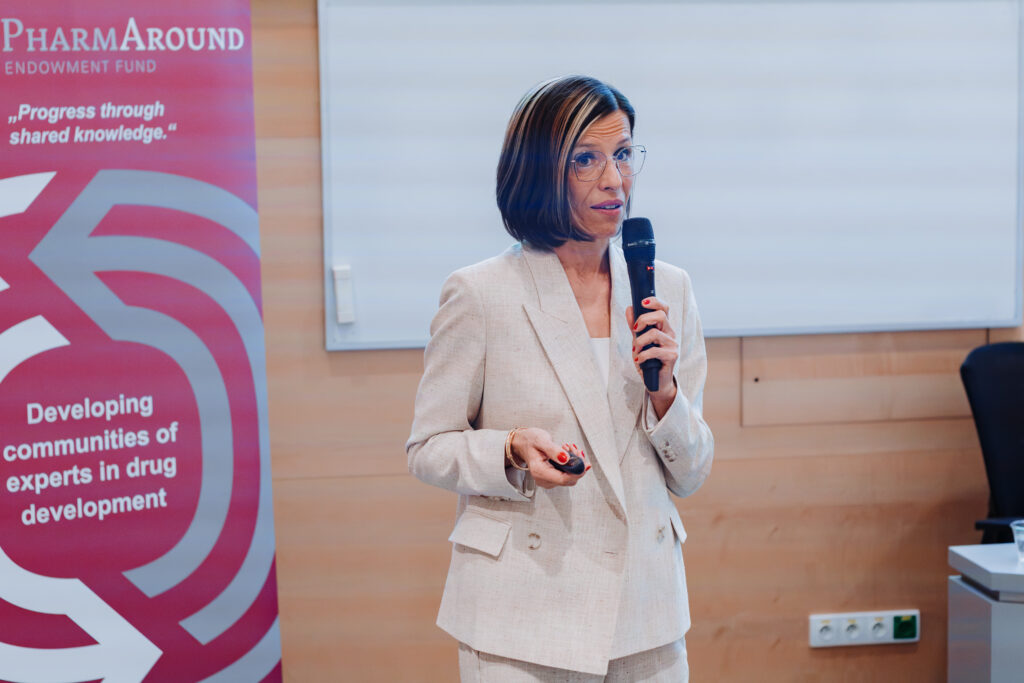
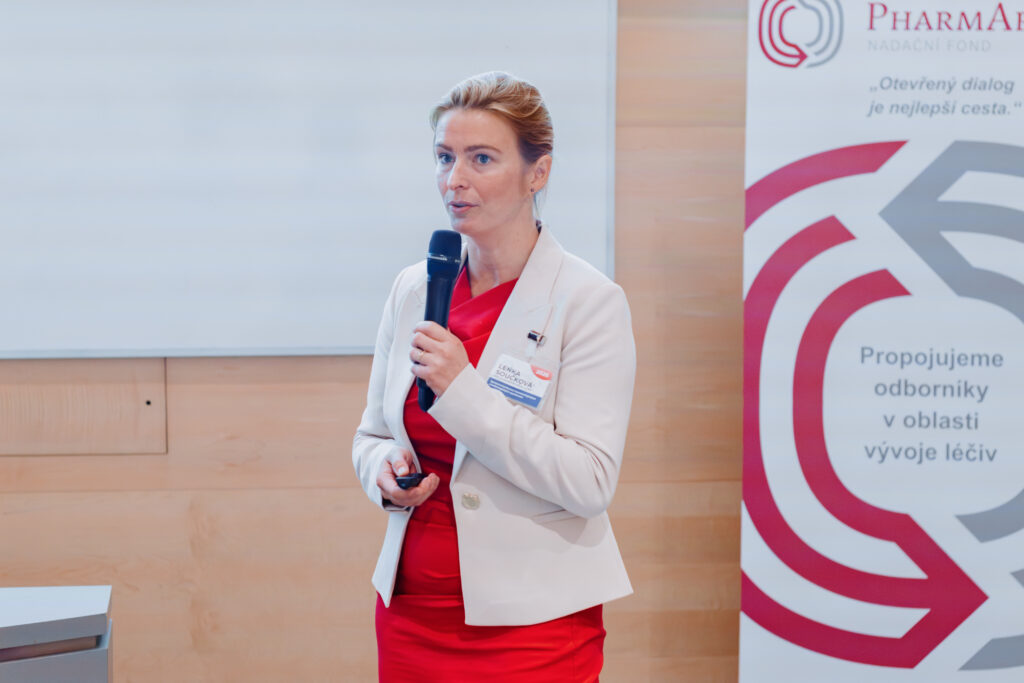
Following the specific examples of studies, Lenka Součková , who focused on investigator-initiated clinical trials (IICT) as an often-overlooked component of evidence-based medicine. She thus highlighted the importance of academically initiated clinical trials in finding answers to questions that arise directly from the needs of clinical practice and may not always be the focus of commercial research.
Academic clinical trials can raise questions that are not always a priority for commercial research, yet they can still have a significant impact on decision-making in everyday clinical practice.
TOXCON: From Molecular Mechanisms to Current Toxicological Risks
Another key component of the joint program was the 31st TOXCON Conference, which addressed current topics in both experimental and clinical toxicology and highlighted their implications for diagnostics, drug safety, and the further development of new therapies.
Jan Vondráček focused on the Ah receptor and its potential role in regulating lipid metabolism, while Tomáš Parák presented ways to use biomarkers of mild traumatic brain injury, which can help refine diagnosis and, in some cases, reduce unnecessary CT scans. Eva Kmoníčková focused on the health risks associated with kratom use, including its side effects and potential drug interactions.
Zdeňka Svobodová provided a broader toxicological perspective with a presentation on mercury, its various forms, toxicity, and impacts on humans and the environment. Ondřej Soukup then addressed the hepatotoxicity of tacrine and how a better understanding of the mechanisms of its toxicity can contribute to the development of safer drugs.




Toxicology-related topics were not limited to the TOXCON session alone. They were also featured in poster presentations and other parts of the program devoted to drug safety, psychoactive substances, environmental contaminants, and the toxicity assessment of new pharmacologically active substances.
The program also included a hands-on workshop Case studies from the practice of a veterinarian at a user facility, led by Jana Rudá-Kučerová , provided insight into specific situations from everyday veterinary practice and an opportunity to discuss solutions.
Clinical and Preclinical Pharmacology in a Single Program
The breadth of current pharmacological research was well illustrated by the parallel sessions “New Research—Clinical Pharmacology ” and “New Research—Preclinical Pharmacology.” While the clinical section drew on specific therapeutic challenges and experiences in patient care, the preclinical section focused on disease mechanisms and the search for new treatment options.
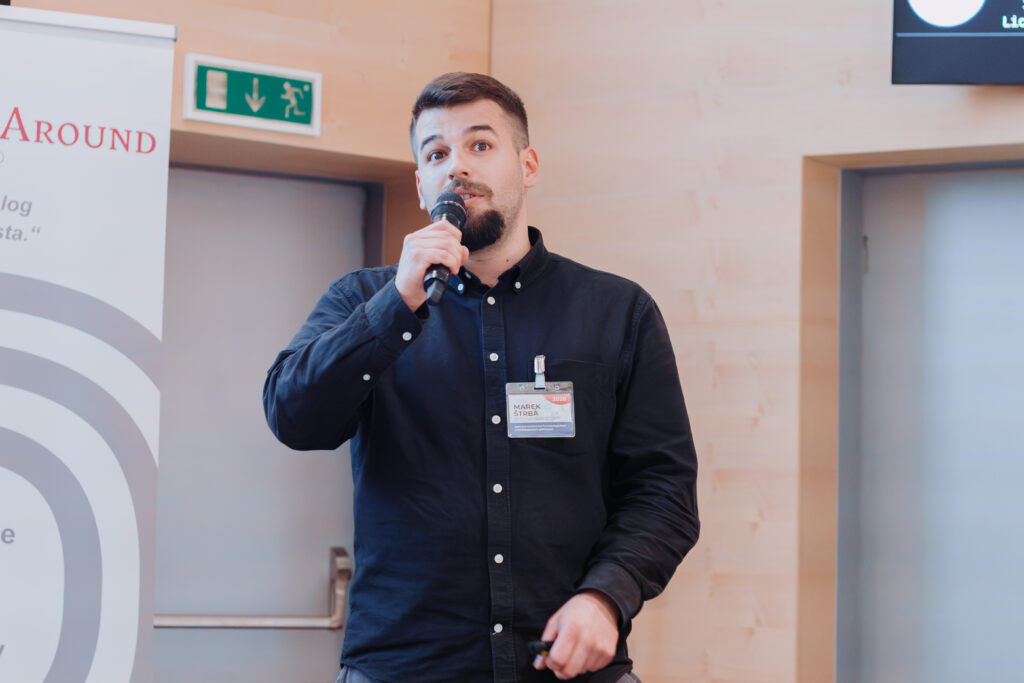
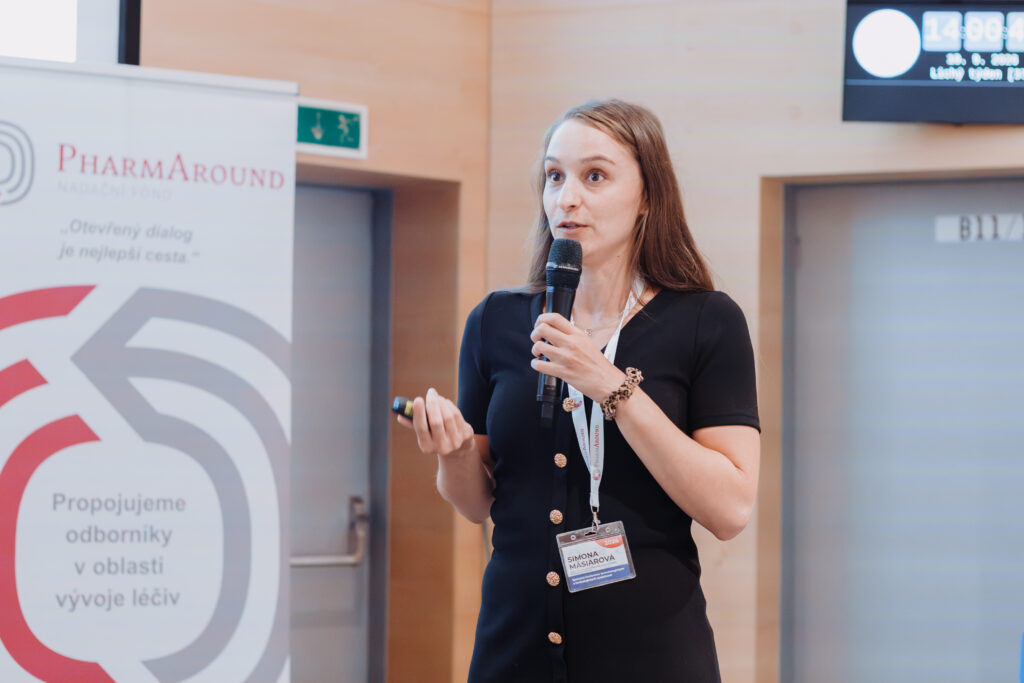
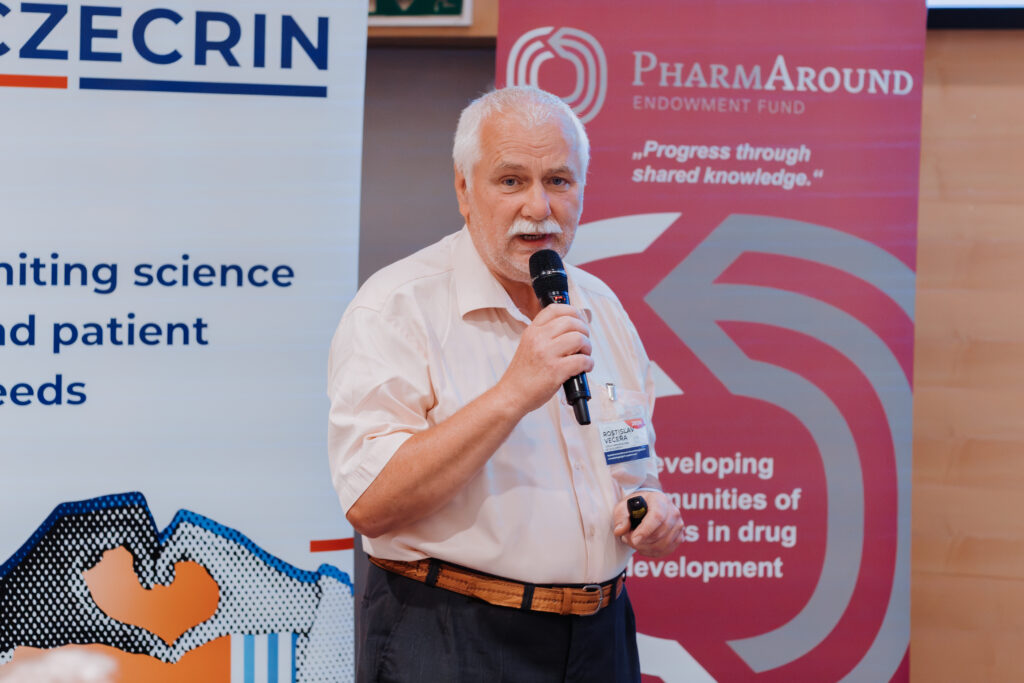
In the clinical session, Rostislav Večeřa discussed treatment options for raccoon roundworm (Baylisascaris procyonis) infection, Petr Pávek presented research on the influence of coffee consumption and genetic factors on the adenosine pathway in rheumatoid arthritis, and Jan Voříšek focused on the efficacy, safety, and drug interactions of targeted synthetic therapies in rheumatology. Tuberculosis was also a prominent theme. Simona Mäsiarová discussed the limitations of treating multidrug-resistant tuberculosis in the Czech Republic and Slovakia, Simona Hromníková discussed the specifics of pharmacotherapy for pediatric patients, and Marek Štrba addressed the issue of Mycobacterium tuberculosis resistance to new-generation antituberculosis drugs.
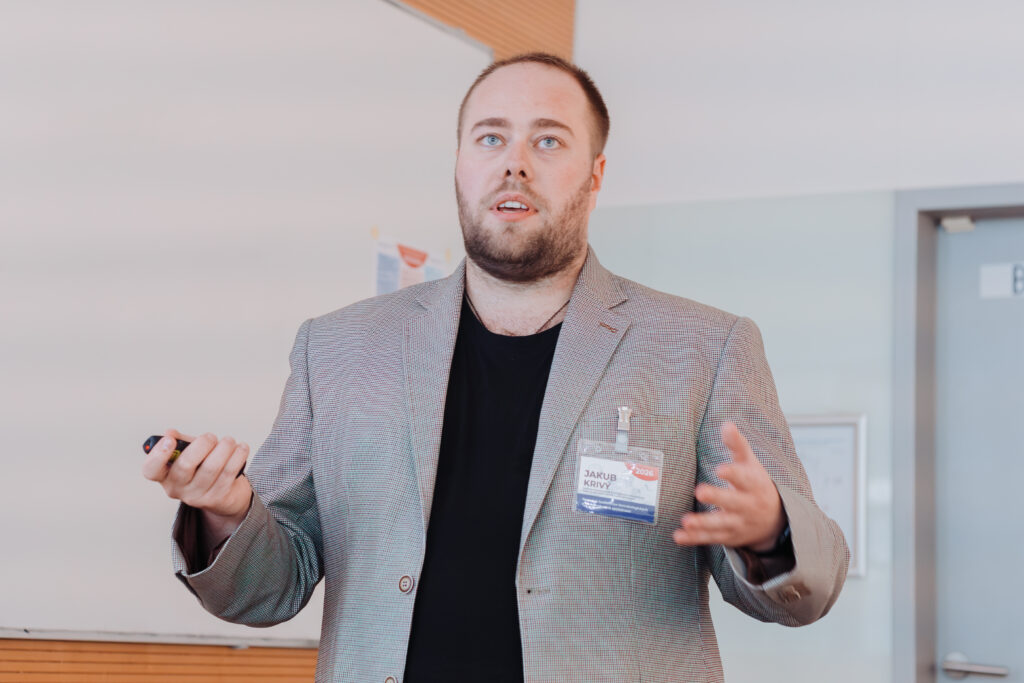
The parallel preclinical session provided insight into research taking place before new findings are translated into clinical practice. Topics ranged from mechanisms of DNA damage and cancer cell research to diabetic nephropathy and renal or hepatic fibrosis, as well as experimental models of inflammatory diseases. It thus demonstrated how diverse experimental approaches help to better understand disease mechanisms and validate the potential of new therapeutic strategies. Jakub Krivý focused on the effects of O6-benzylguanine on cancer cells and the activation of signaling pathways associated with the response to DNA damage, while Katarína Hadová presented research on the role of hepatocyte growth factor in diabetic nephropathy.
Soňa Sýkorová and Anna Kekeláková, who investigated the therapeutic potential of kynurenic acid in renal and hepatic fibrosis. Mohammad Fakhermanesh focused on evaluating α-phellandrene, both alone and in combination with methotrexate, in a model of adjuvant arthritis, and František Dráfi concluded the session with a broader perspective on fifteen years of research into this model and its significance for the further evaluation of anti-inflammatory therapies.



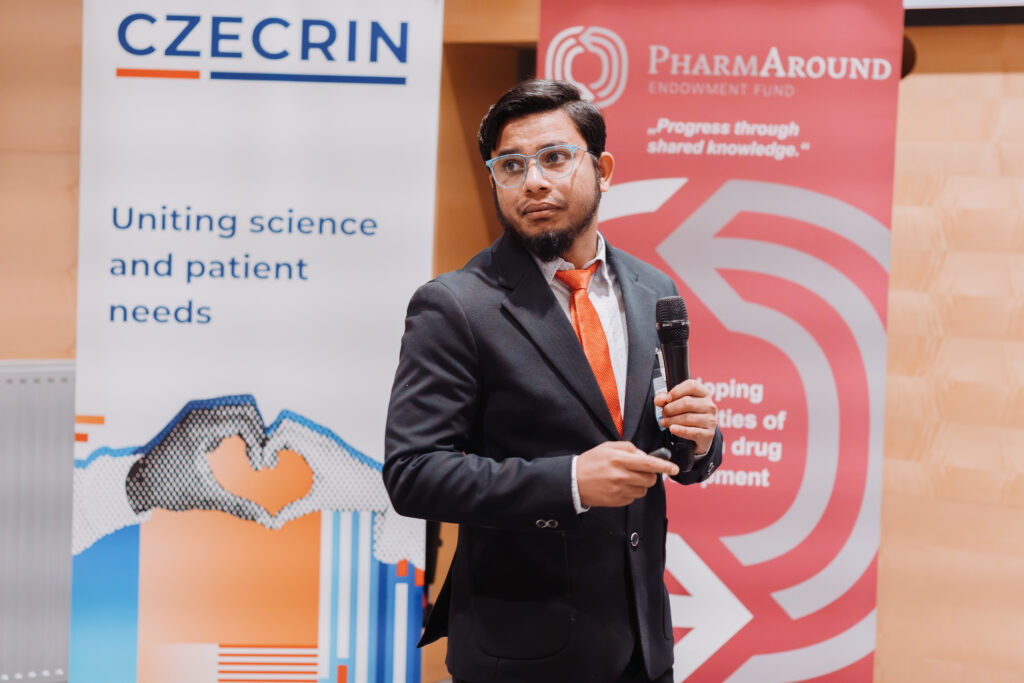
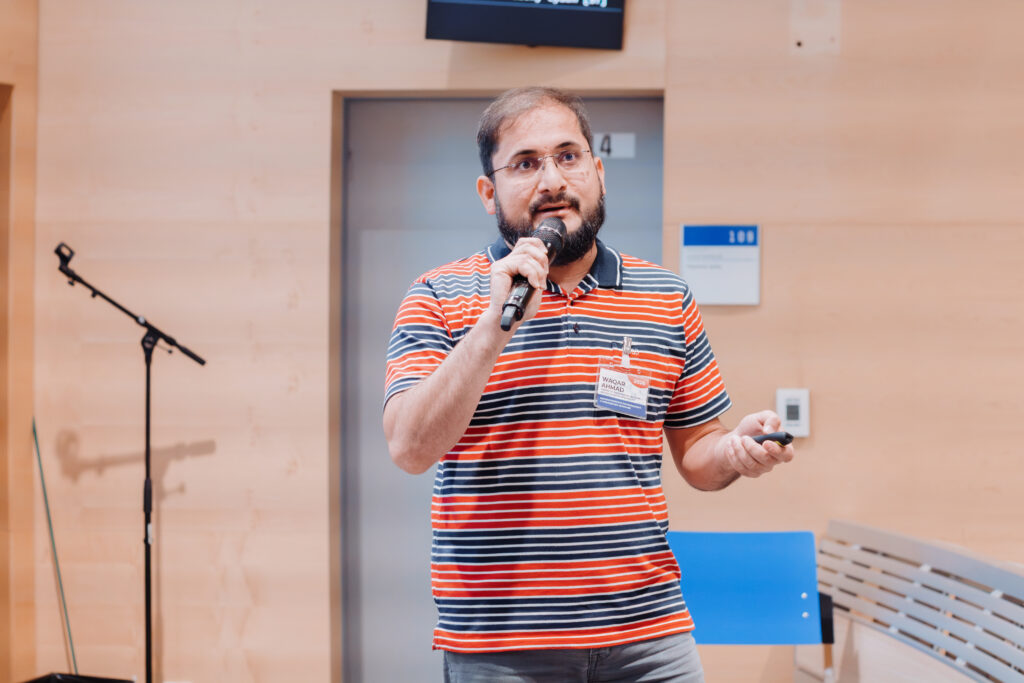
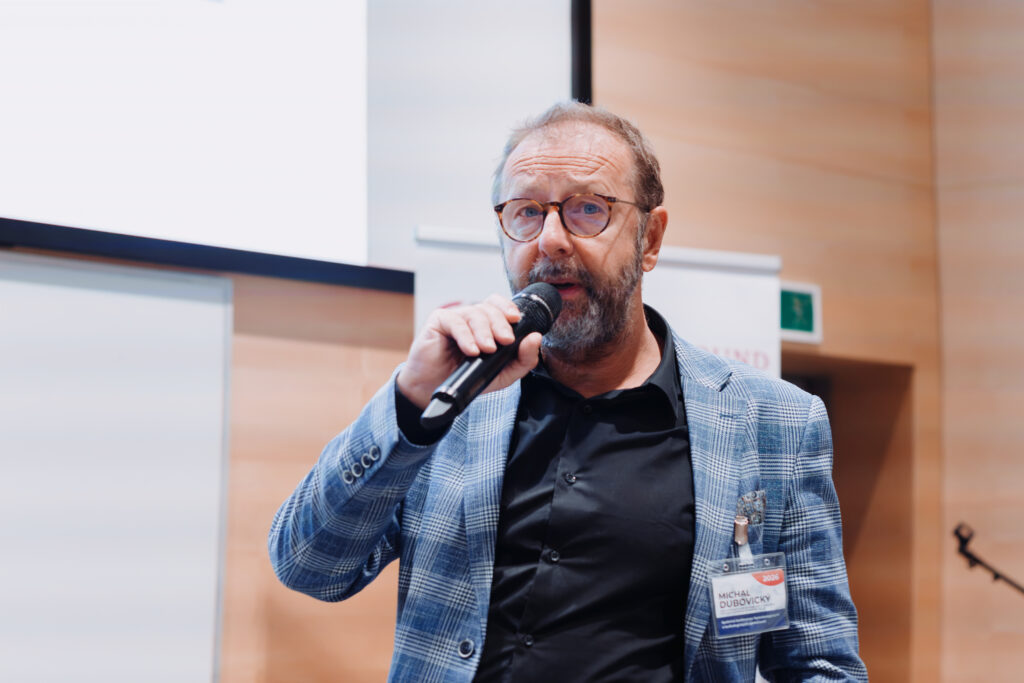
Friday’s program continued along these lines. Michal Dubovický introduced the session on new research in preclinical pharmacology, focusing on current findings and experimental research on maternal depression, including the benefits and risks of its pharmacological treatment during pregnancy and breastfeeding. Ondřej Slanař presented research on the influence of the orexin system on the inflammatory response, while Peter Kollár focused on the possibilities of modulating PD-L1 expression through intracellular signaling pathways and their potential in anticancer therapy. Waqar Ahmad presented research on natural bioactive compounds and their anti-inflammatory potential in an experimental model of arthritis. Mohammad Umar then focused on combining these compounds with methotrexate and the potential to enhance treatment efficacy.

From Research Funding to Advanced Therapies
The second prominent international guest was Gonzalo Calvo, who, in his plenary lecture, introduced the topic of the further development of clinical pharmacology. Using examples and experiences from Spain, he demonstrated how the role of this field in modern healthcare can range from supporting research to participating in the development and implementation of advanced therapies. The lecture thus offered a practical perspective on how clinical pharmacology can be developed at the intersection of research, clinical practice, and new therapeutic options.
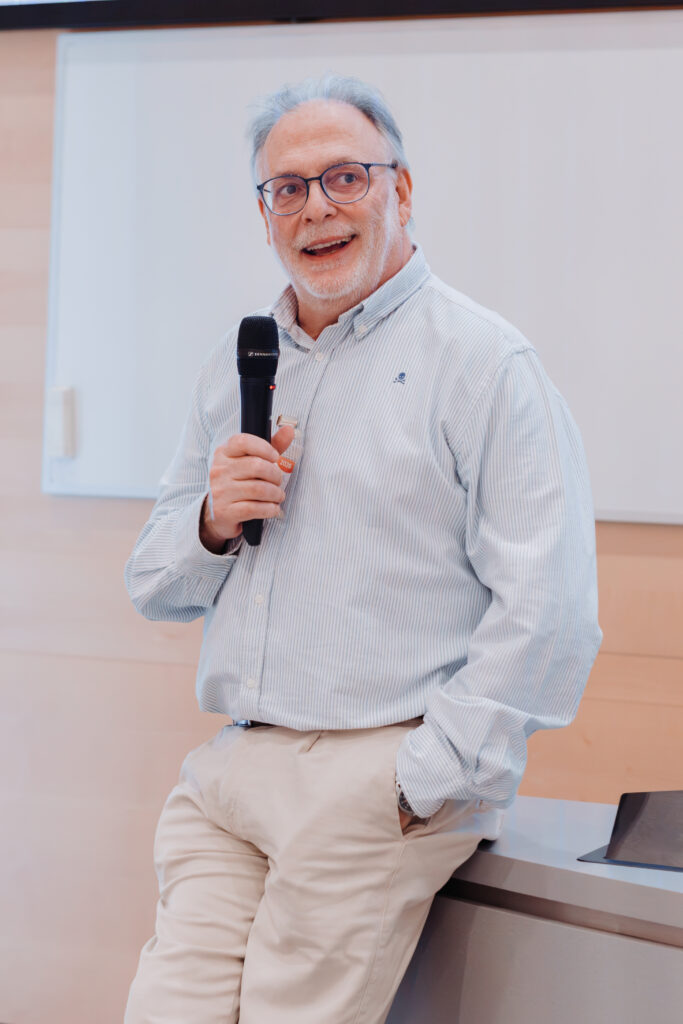
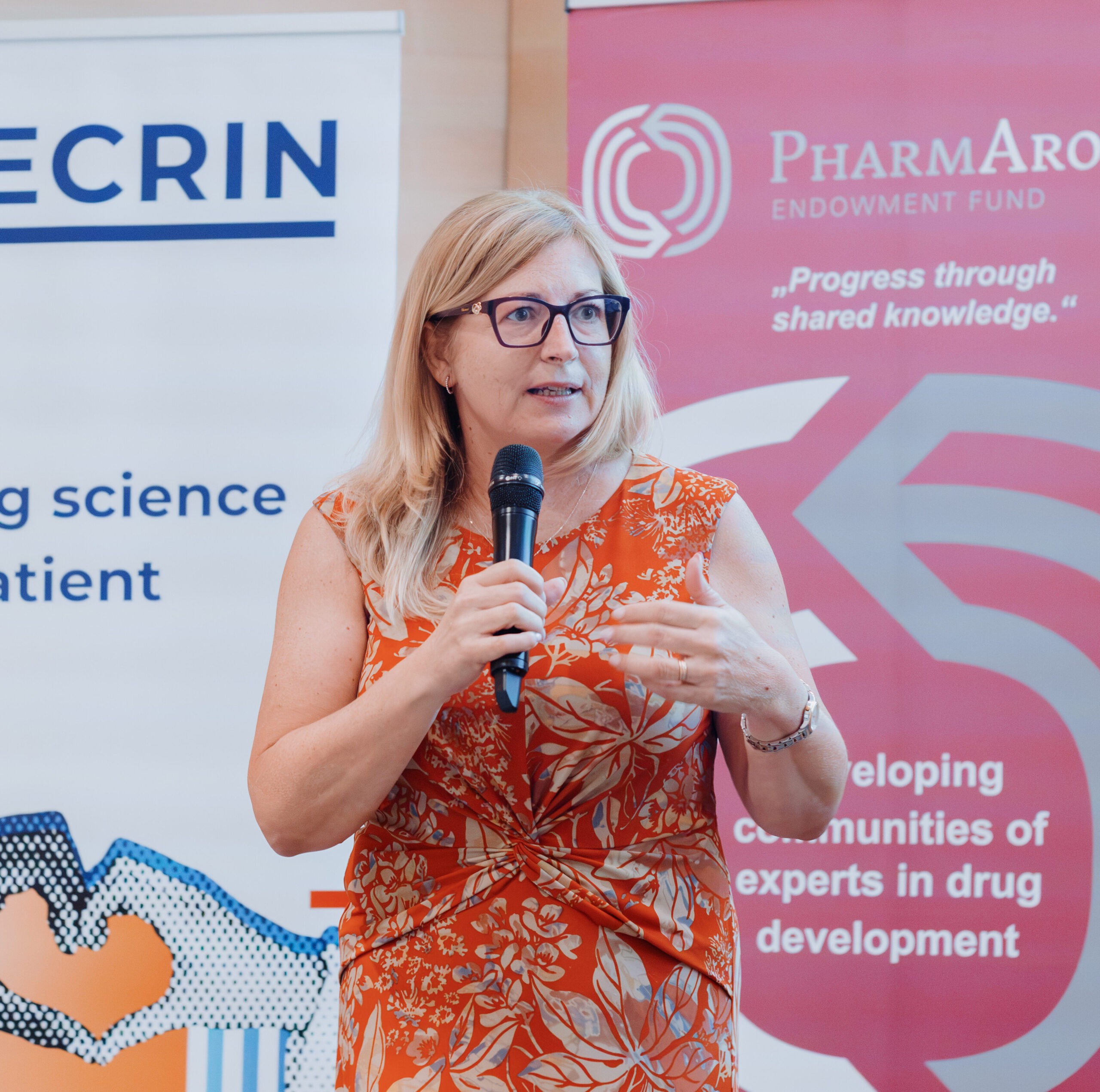
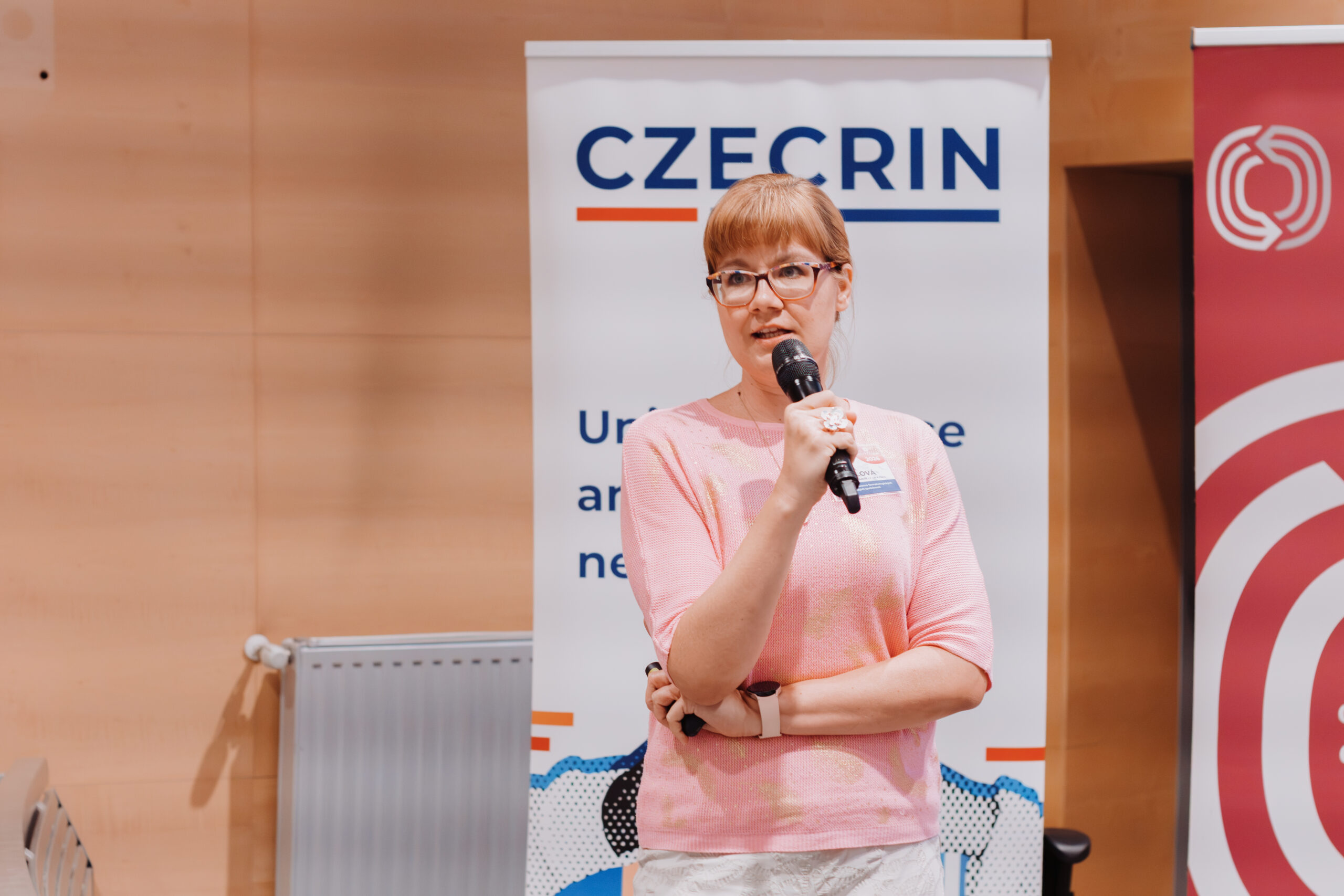
Regina Demlová, director of the CREATIC Center of Excellence at the Faculty of Medicine, Masaryk University, and CZECRIN, and head of the Institute of Pharmacology at the Faculty of Medicine, Masaryk University, then took the floor. She outlined the current direction of CREATIC and CZECRIN, their role in the development of academic clinical research, and the importance of linking research, clinical practice, and innovative therapeutic approaches.
Ondřej Slanař, president of the Czech Society for Experimental and Clinical Pharmacology and Toxicology (ČSEKFT ČLS JEP), provided the professional society’s perspective. The session also included the presentation of awards to the authors of selected ČSEKFT publications, which demonstrated the breadth of current pharmacological research—ranging from oncology and cardioprotection to psychiatry and metabolic diseases.
Jan Kubeš presented research on topobexin, a new compound that selectively targets topoisomerase IIβ and could help protect the heart from the cardiotoxicity associated with anthracycline therapy without compromising their antitumor effect. Jana Hroudová focused on mitochondrial respiration in patients with bipolar disorder and the potential use of mitochondrial function parameters as disease markers. Alžběta Štefela then presented research on an FXR receptor antagonist and its effect on glucose metabolism, which, in an experimental model, showed the potential to influence glucose homeostasis.

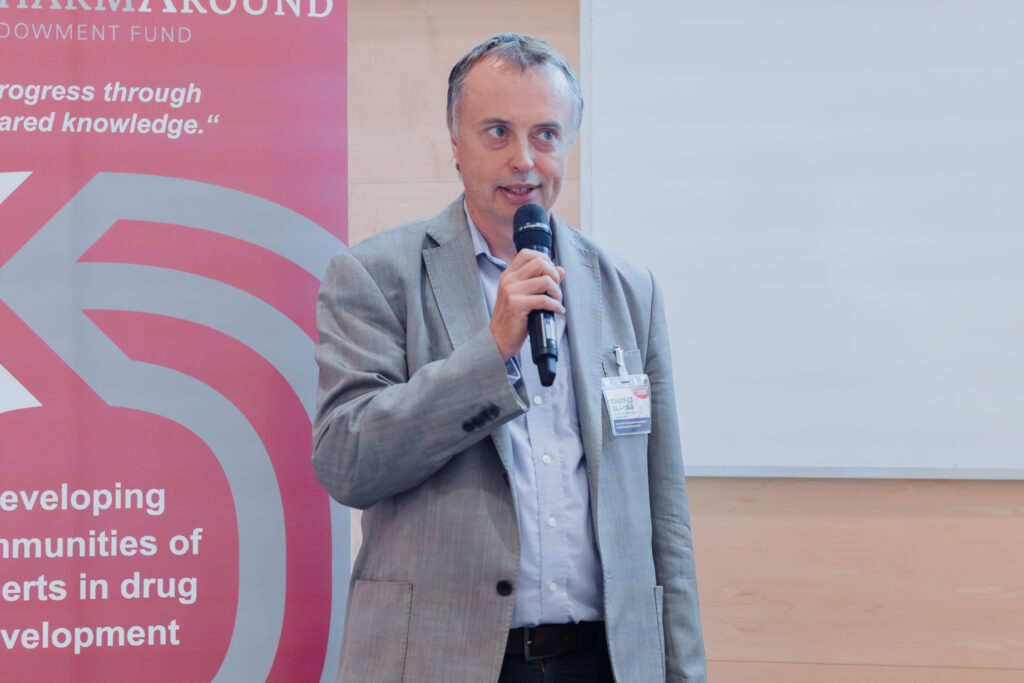
51 posters offering further insights into current research
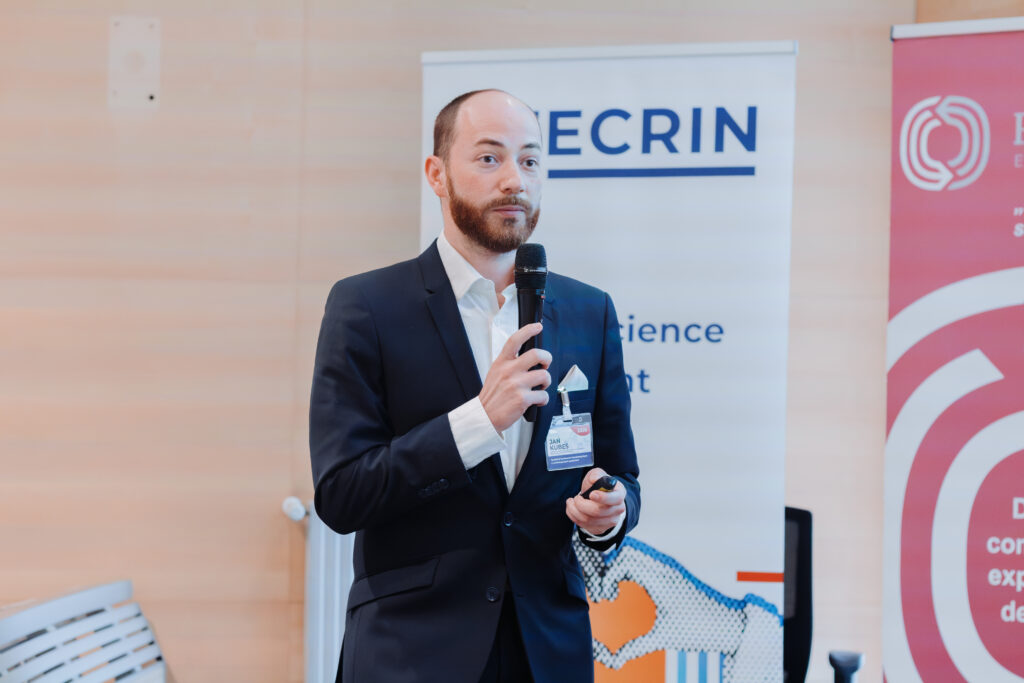
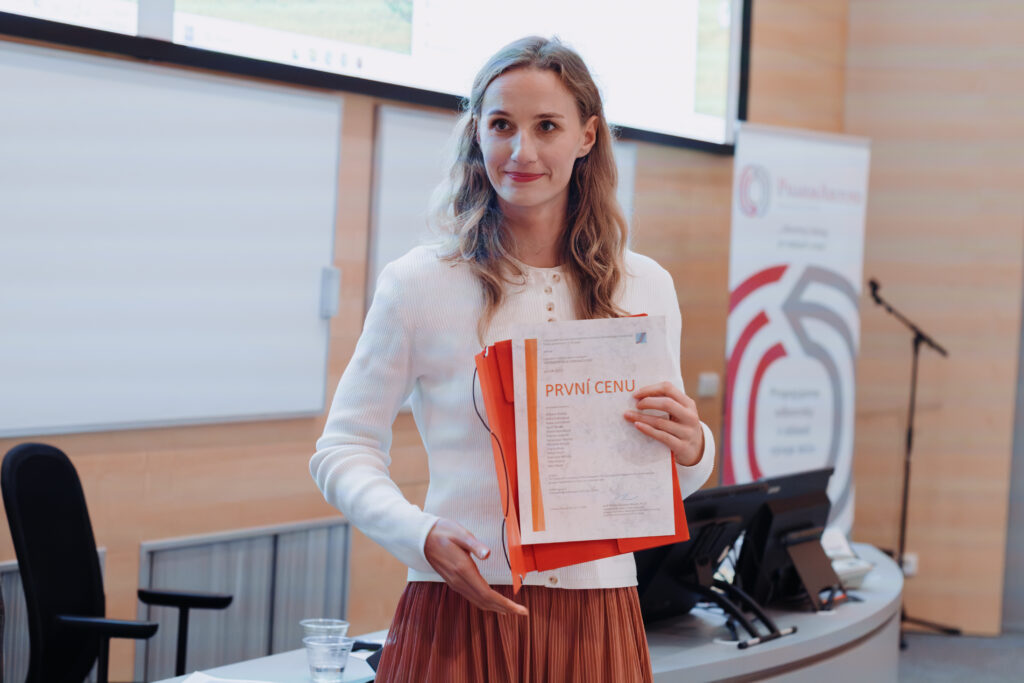
The poster sessions also constituted a significant part of the program. A total of 51 scientific presentations were presented in three sessions: Preclinical Pharmacology I, Preclinical Pharmacology II, and Clinical Pharmacology.
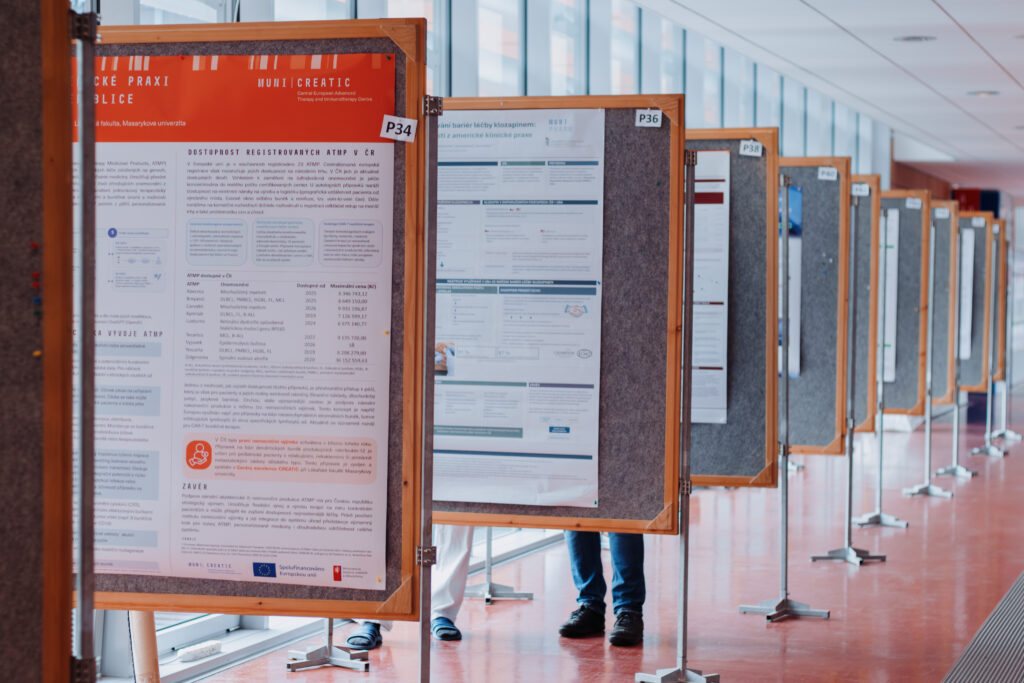
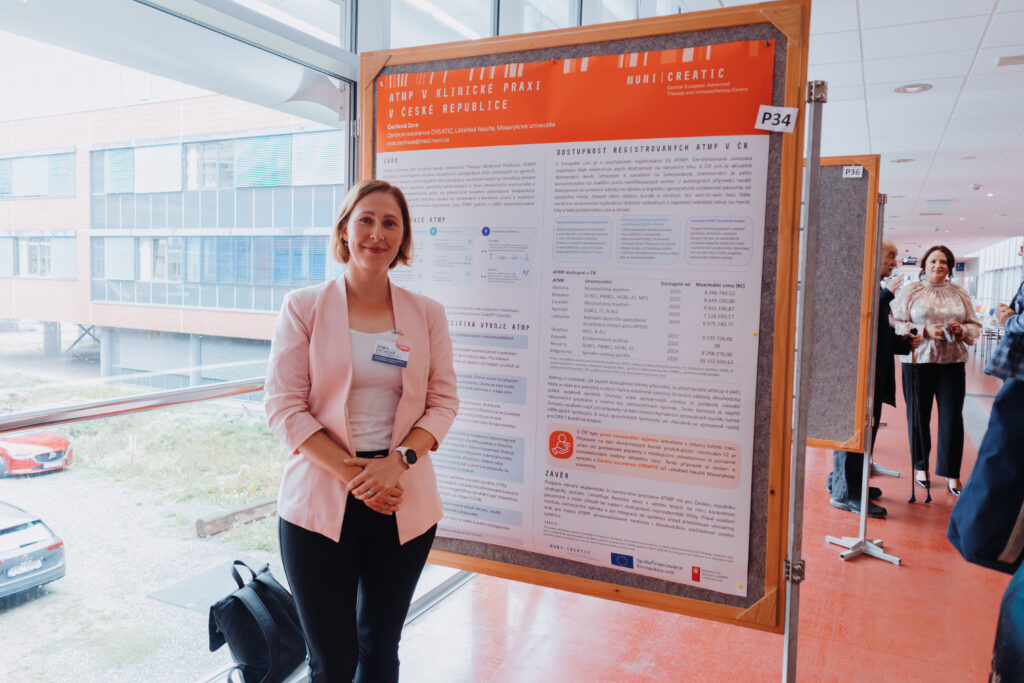
The range of topics covered everything from drug metabolism and interactions with cytochromes P450 to psychedelics, cardiovascular research, oncology, and immunology, to TDM, antimicrobial stewardship, toxicity, the environmental impacts of drugs, and new issues related to the use of artificial intelligence.
Topics included, for example, cell and gene therapies in clinical practice, changes in drug pharmacokinetics, toxic psychoses, therapeutic monitoring of antibiotics, paracetamol intoxication, CO₂ emissions associated with conducting clinical trials, and the question of how humans perform compared to AI when solving pharmacological problems.
Therapeutic Monitoring and Clinical Pharmacology Across Disciplines
The importance of therapeutic drug monitoring (TDM) was not limited to a single conference but was interwoven with a range of other topics and demonstrated its utility in various areas of clinical practice. This was well illustrated by the Otto Mayer Sr. Cardiovascular Symposium, which honored the memory of Otto Mayer —a pharmacologist, clinical pharmacologist, internist, and hypertension specialist—through a presentation by Miroslav Grundmann. Jiří Vítovec followed with new findings in the treatment of hypertension, Marek Petřík discussed the possibilities of using TDM for antihypertensive drugs in routine clinical practice, and František Dubský presented two papers devoted to therapeutic monitoring in the treatment of hyperlipidemia, specifically with statins and ezetimibe.
The session on clinical pharmacology also addressed the question of how best to tailor drug therapy to a specific patient. Martin Šíma presented a population pharmacokinetic analysis of vancomycin in patients with central nervous system infections. Jan Juřica went on to discuss dual opioid analgesia in the treatment of cancer pain and experiences with opioid combinations in selected oncology patients. Renata Blechová outlined current trends in the pharmacotherapy of patients with diabetes and obesity and the growing importance of incretin therapy. Radek Kučera provided a practical perspective on the safety of pharmacotherapy with a case report on the ingestion of an extreme dose of a beta-blocker.
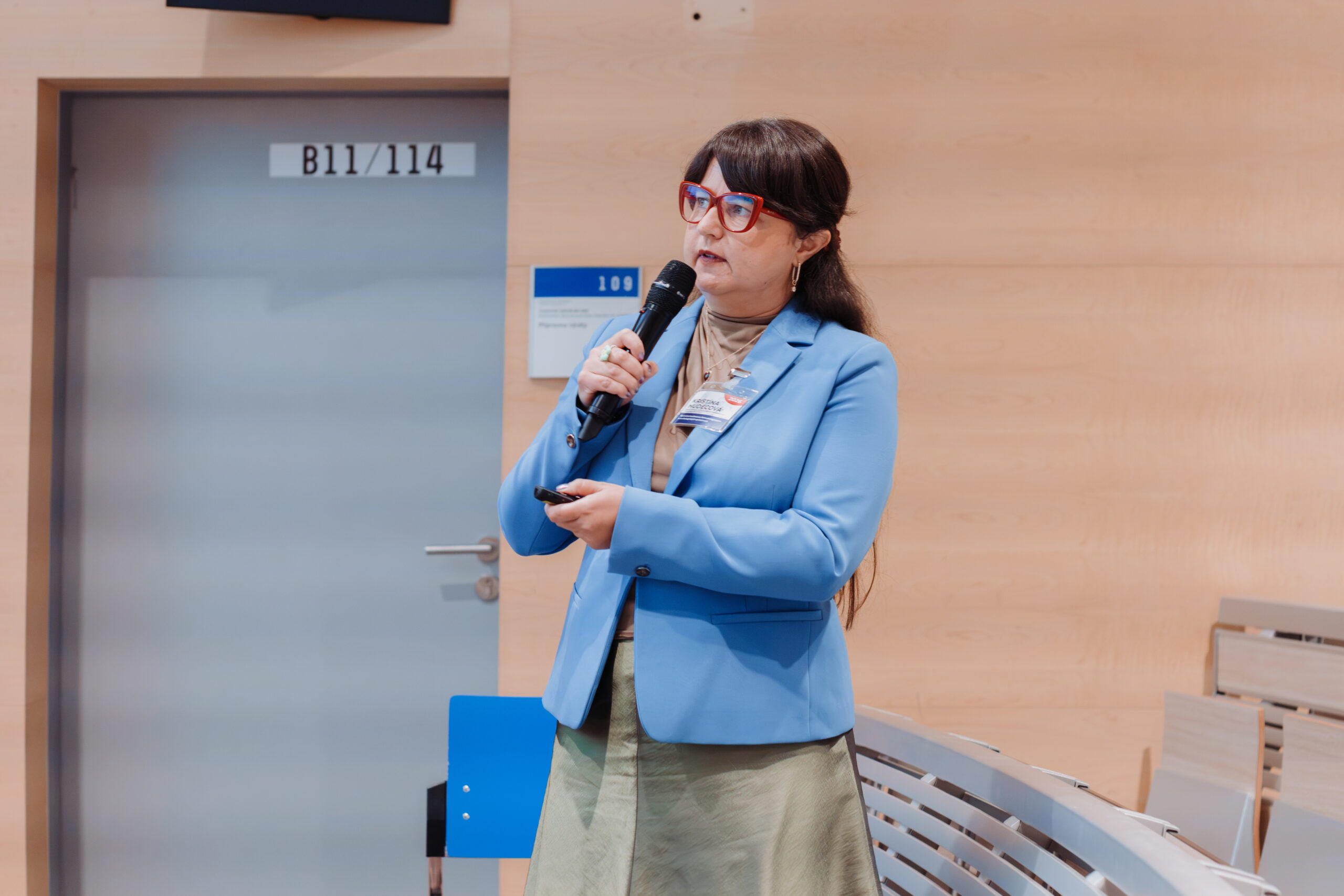
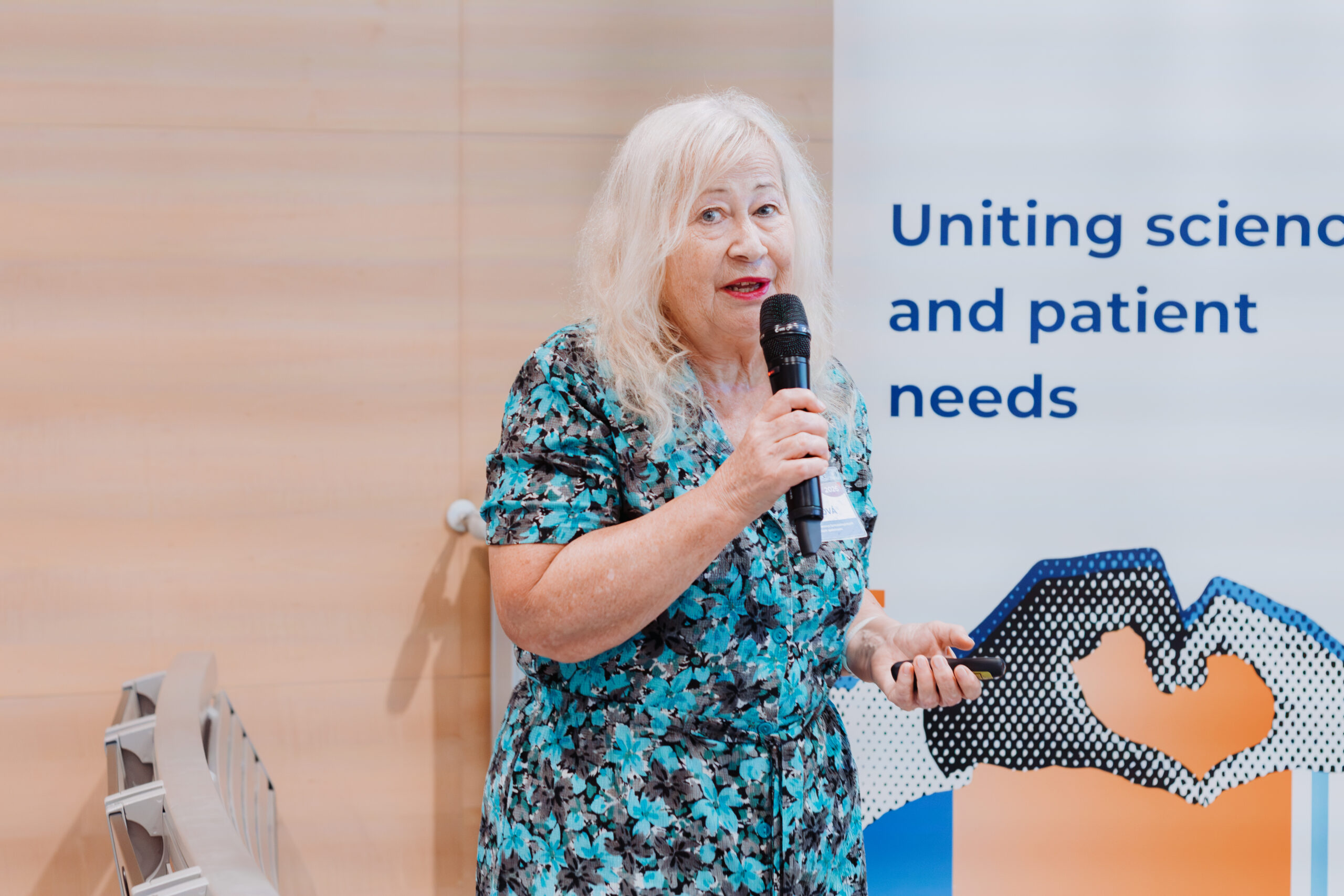
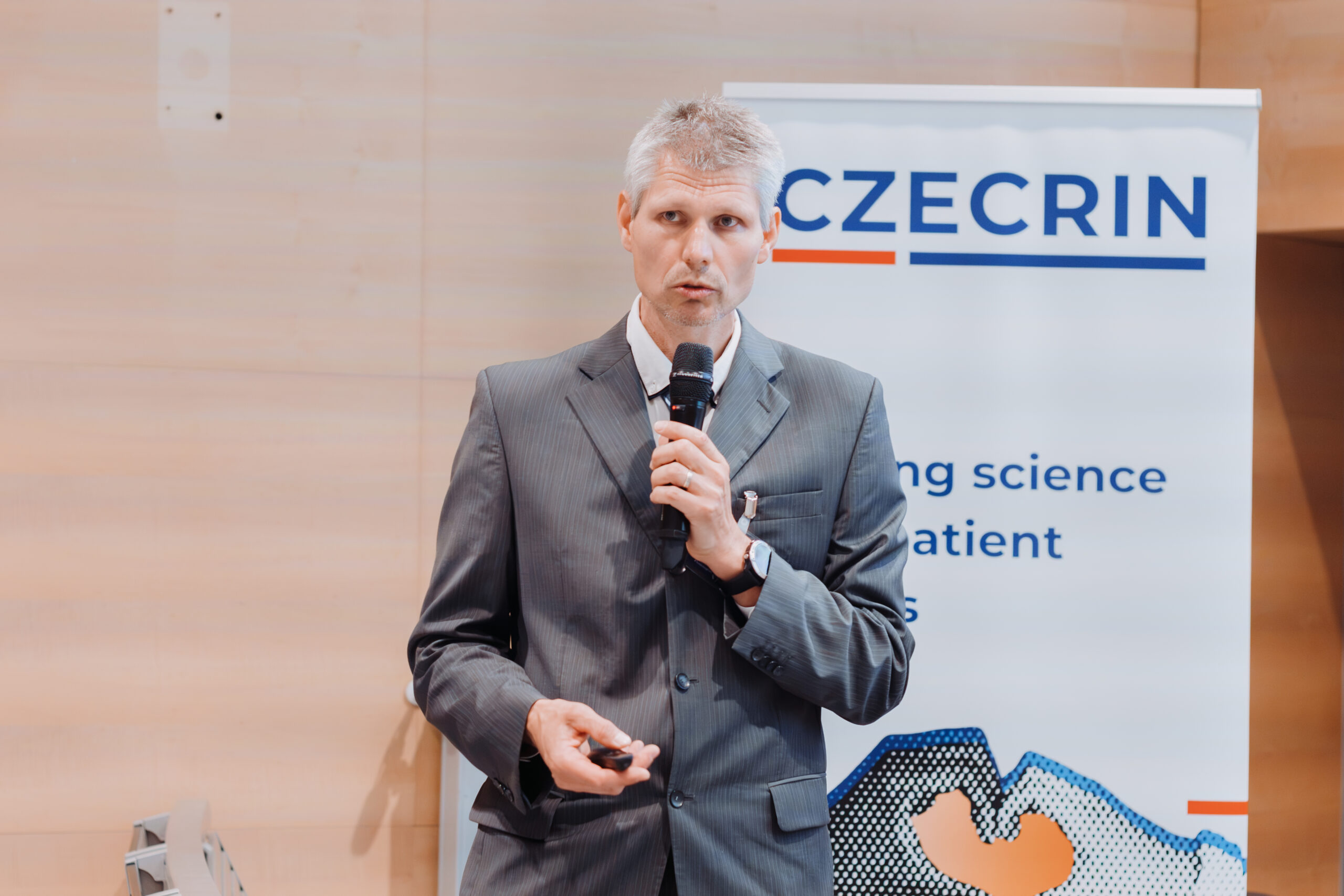
Two other presentations also highlighted the importance of individualized treatment. Petra Matalová focused on individually compounded medications in pediatrics, which allow the dose and dosage form to be tailored to the child’s age, weight, and specific needs. Kristína Hudecová then used a case study of a patient with genetically determined dilated cardiomyopathy to highlight the importance of pharmacovigilance, monitoring the safety of antiarrhythmic therapy, and individually assessing the benefit-risk ratio.
Clinical Practice, New Technologies, and Education
The program focused not only on new research findings, but also on how to translate current knowledge into clinical practice and how to prepare the next generation of professionals for changes in the field.
Jan Dolina on behalf of PRO.MED.CS Praha a.s. dedicated his lecture to upper gastrointestinal adverse effects of GLP-1 analogs and the importance of concomitant medications in their management. He focused on practical issues related to this increasingly common treatment and on how other medications being taken can affect the management of these side effects in clinical practice.
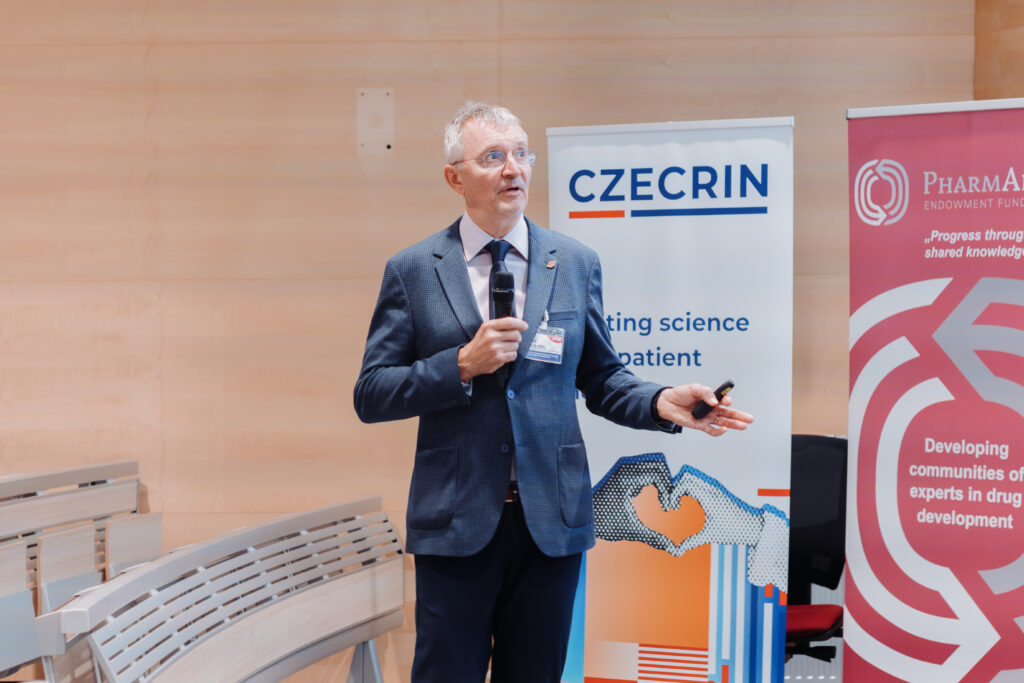
A separate session was also dedicated to pharmacology education in the Czech Republic and Slovakia. Jan Strojil presented ways to use high-fidelity simulation in clinical pharmacology education, and Eva Klabusayová demonstrated how interactive algorithms can be incorporated into education AKUTNĚ.CZ

A single platform for disciplines that are increasingly intertwined
The joint conference highlighted just how closely preclinical research, clinical pharmacology, toxicology, therapeutic monitoring, personalized medicine, and clinical research are interconnected today.
The three-day conference provided an opportunity not only to present new findings, but above all to place them in a broader context—ranging from an understanding of biological and pharmacological mechanisms, through drug safety, to academic clinical trials and decisions regarding the treatment of specific patients.
It is precisely this interconnection of expertise, institutions, and various stages of research that creates the conditions for the further development of safe, effective, and increasingly personalized pharmacotherapy.
📷 You can find more highlights from this year’s event in the photo gallery: https://eu.zonerama.com/CZECRIN/Album/16448207
We would like to thank all the speakers, participants, the organizing team, and the conference partners. It is thanks to you that a space was created for sharing experiences, inspiring professional discussions, and interdisciplinary networking.