
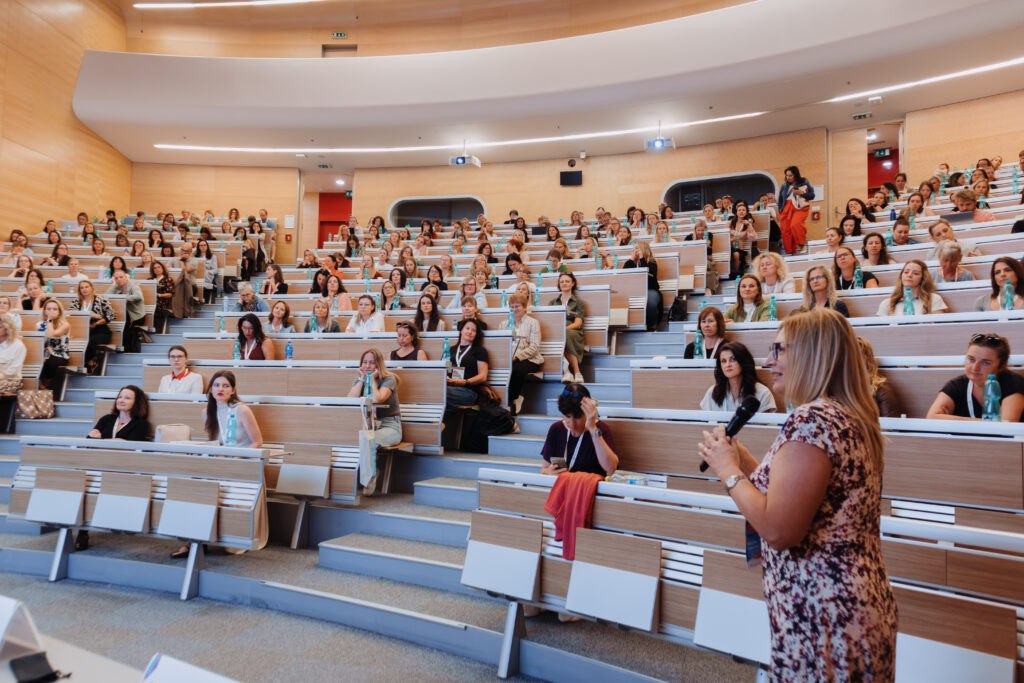
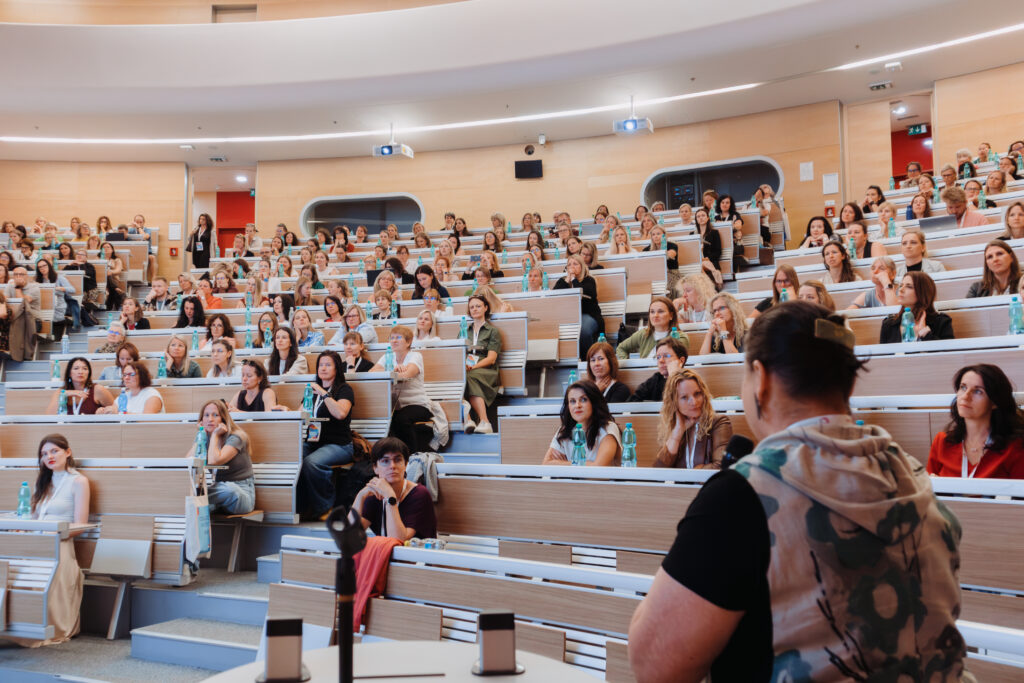
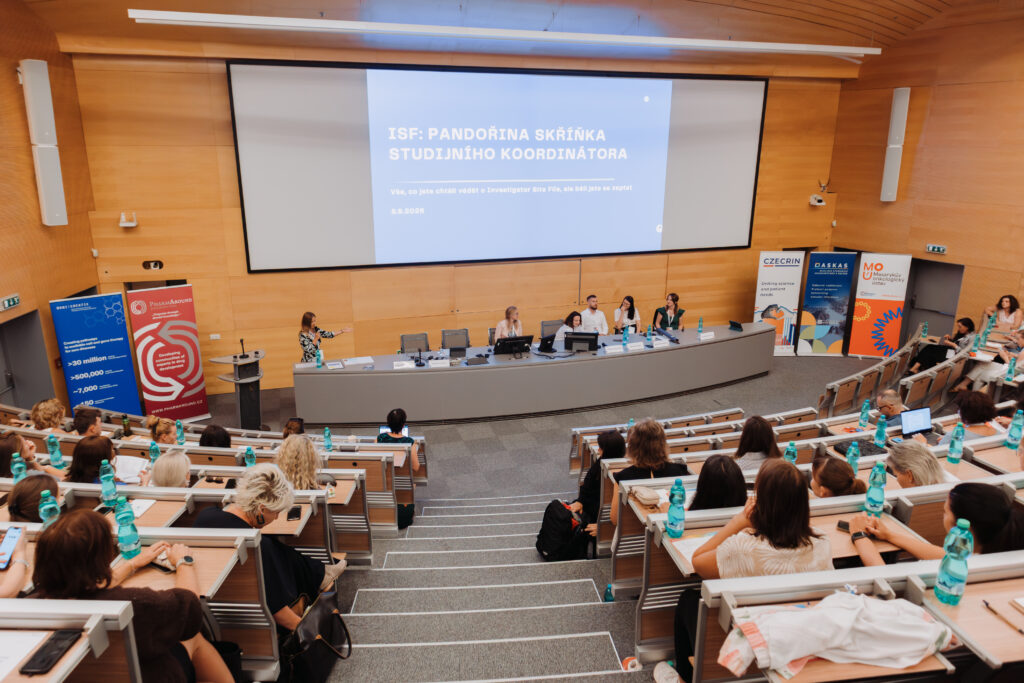
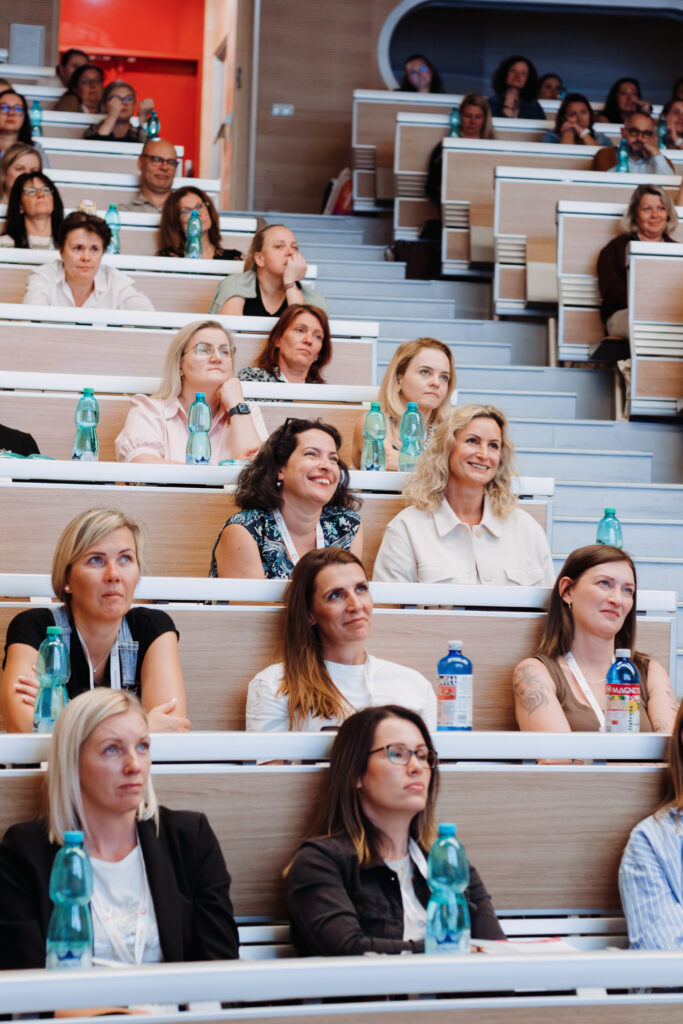
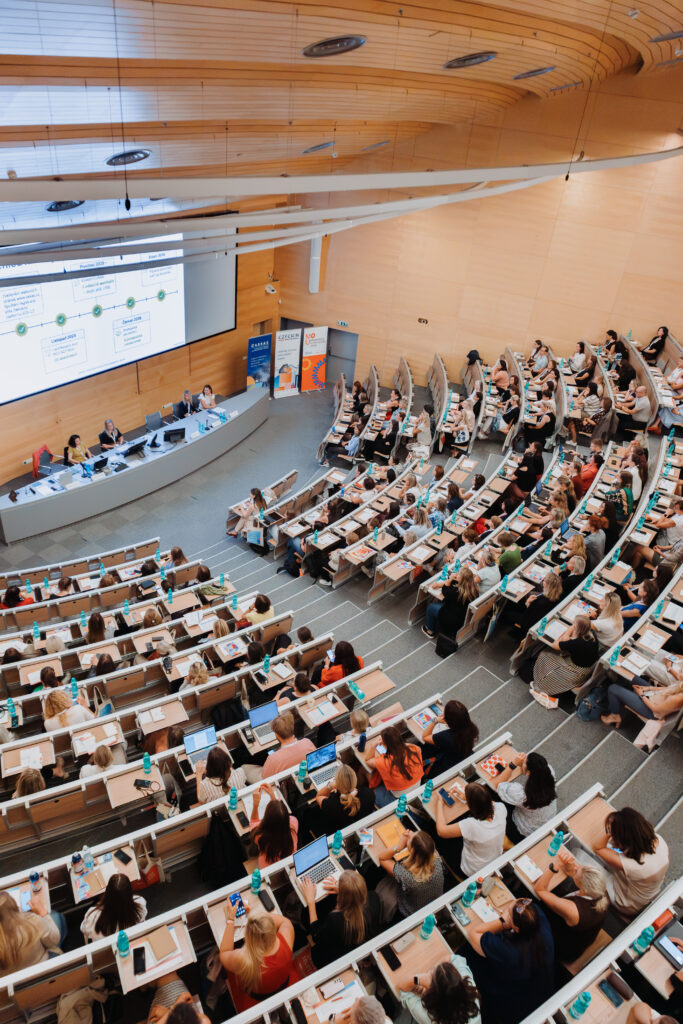
Nearly 300 participants from more than 60 institutions across the Czech Republic; two days packed with the sharing of experiences and a shared interest in the further development and improvement of the quality of clinical research in the Czech Republic. Such was this year’s 9th annual National Meeting of Clinical Research Nurses and Clinical Trial Coordinators, which took place on September 7–8, 2026, at the Faculty of Medicine of Masaryk University in Brno.
This year’s program was based primarily on topics that clinical nurses and coordinators address in their daily work. In addition to expert lectures, the program included firsthand experiences from individual centers, real-world scenarios, opportunities for questions, and topics related to new technologies in clinical research.
The Many Faces of a Single Profession
The very first session demonstrated just how varied the work of a study coordinator can be. Šárka Selvekerová, M.A., looked back on the first year of operation of the professional association ASKAS—the Association of Study Coordinators and Nurses. Over the course of twelve months, a community has emerged that today brings together 130 active members; in addition to providing education and facilitating the sharing of experiences, it also strives to further professionalize and more clearly establish the profession of study coordinators and nurses.
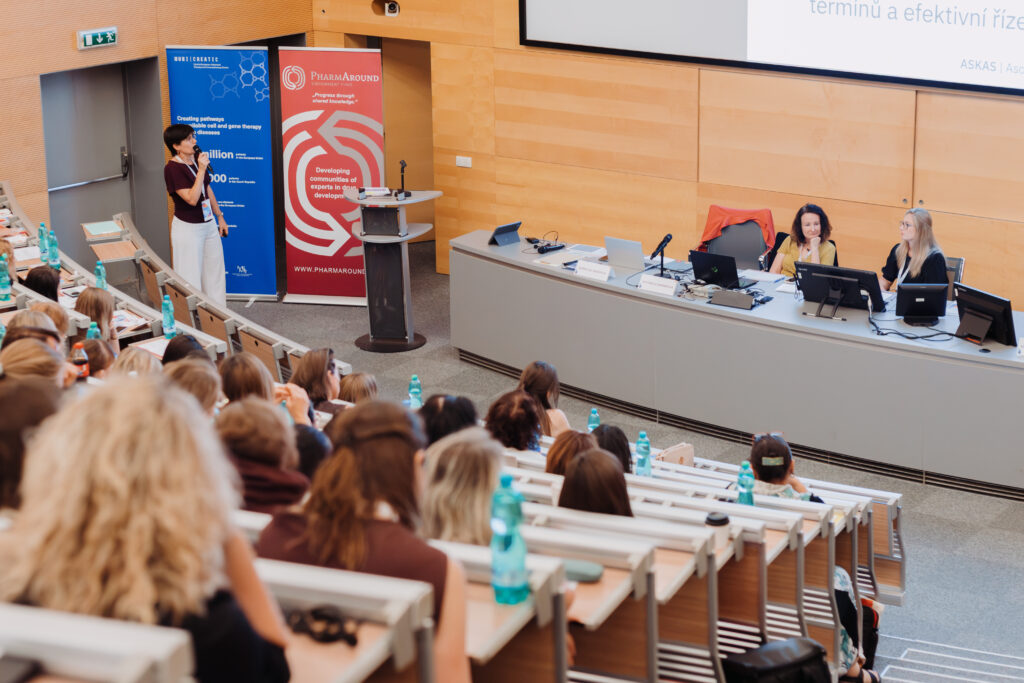
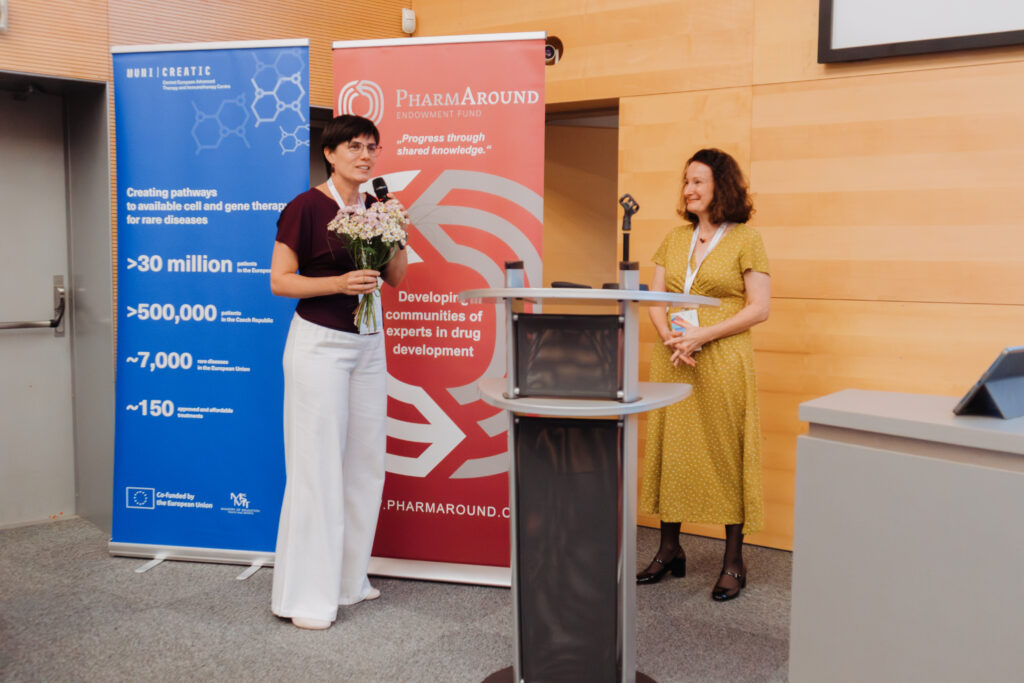
Lucie Sýkorová, B.A., and Kateřina Kovářová, M.S., provided insight into what coordinating studies at a large healthcare facility might look like, drawing on their experiences at the University Hospital in Pilsen. There, a single team must coordinate two geographically separate sites in Bory and Lochotín while simultaneously managing everything from scheduled activities to unexpected rounds, emergency blood draws, and urgent requests.
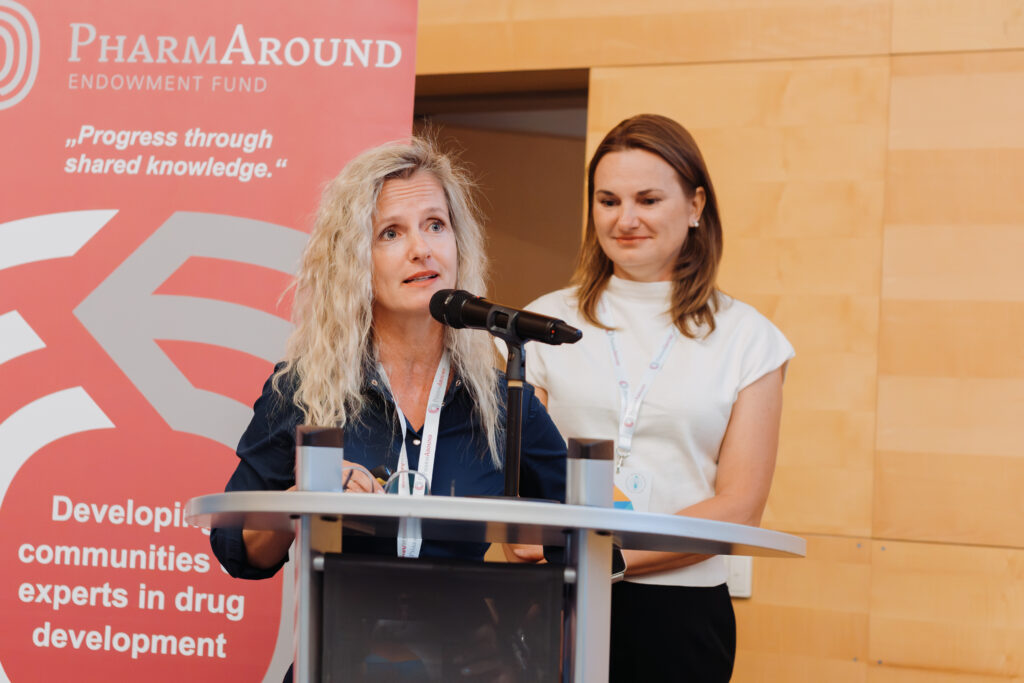
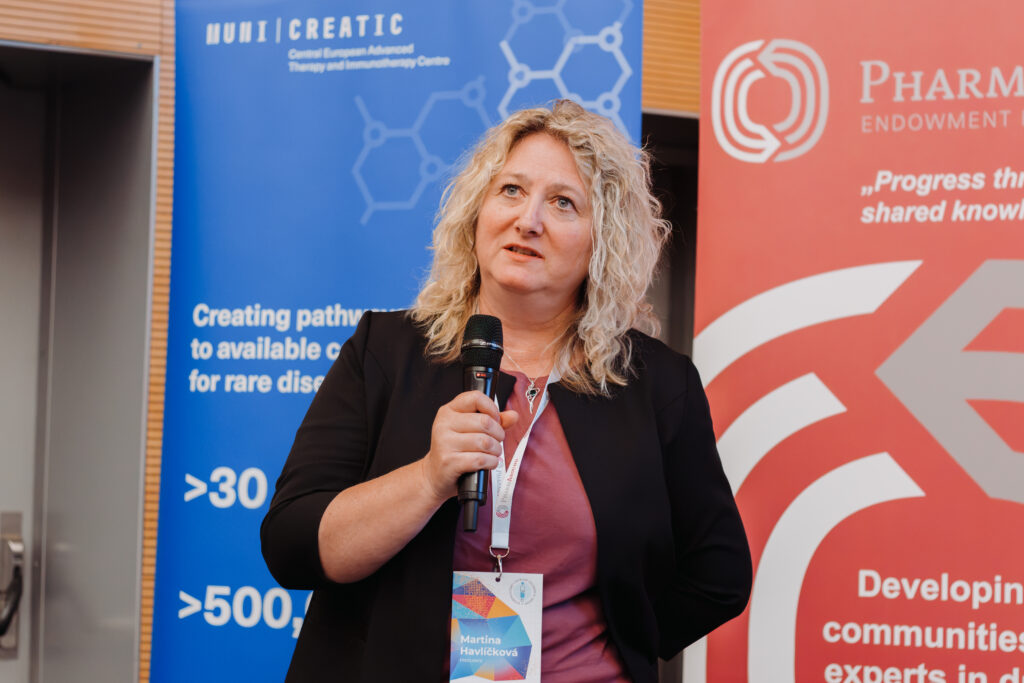
Martina Havlickova, B.A., offered a completely different perspective. Her experience as a freelance study coordinator served as a reminder that, in addition to the clinical trials themselves, one must also manage one’s own organization, deadlines, administrative tasks, and responsibility for the entire work process.
From Day-to-Day Work with Medications to Modern Personalized Therapies
Pharmacology and working with evaluated medicinal products were also key topics on the first day.
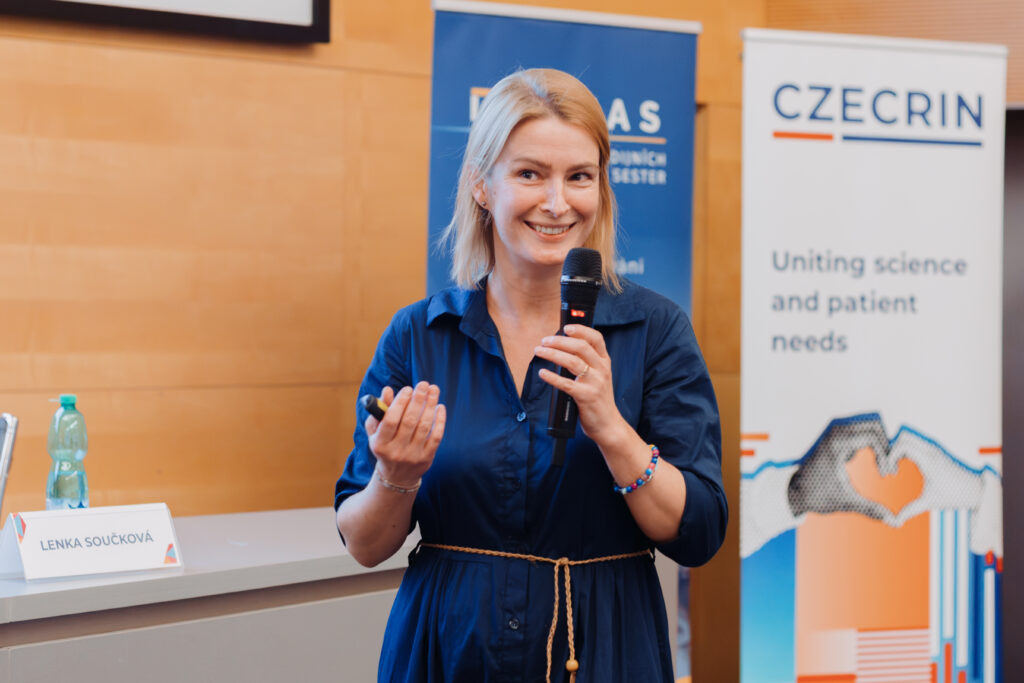
PharmDr. Lenka Součková, Ph.D., offered a practical perspective on pharmacological considerations that can help clinical research nurses and coordinators better navigate their daily work with investigational medicinal products (IMPs). Attention was also given to drug interactions, their potential impact on the course of a study, and the importance of proper timing of drug administration in terms of patient safety and the quality of the data collected.
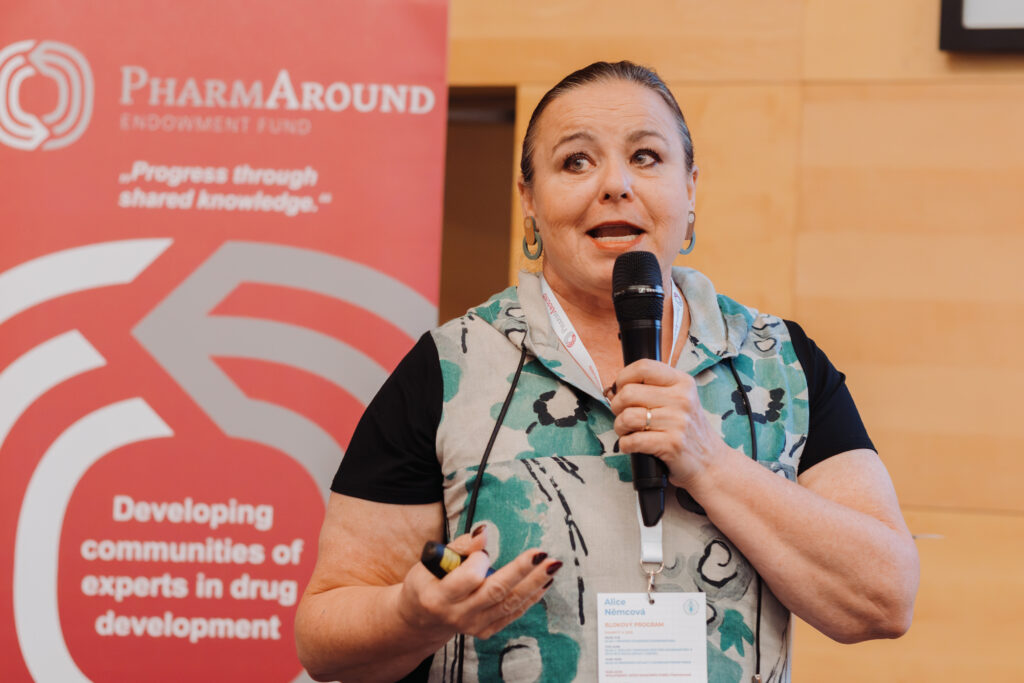
This was followed by a presentation by Dr. Alice Němcová, Director of the Department of Clinical Trials at the State Institute for Drug Control ( SÚKL ), who guided the participants through the entire life cycle of an evaluated medicinal product. From delivery and proper storage through dispensing or administration to record-keeping and safe disposal, the discussion also covered where the responsibilities of individual members of the study team lie within this process.
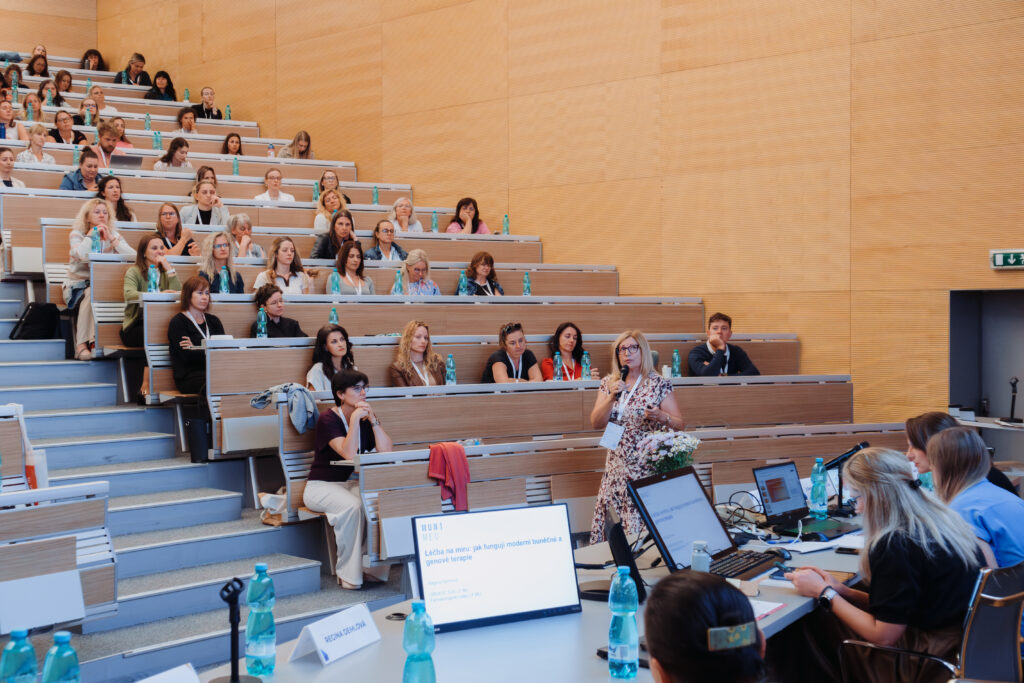
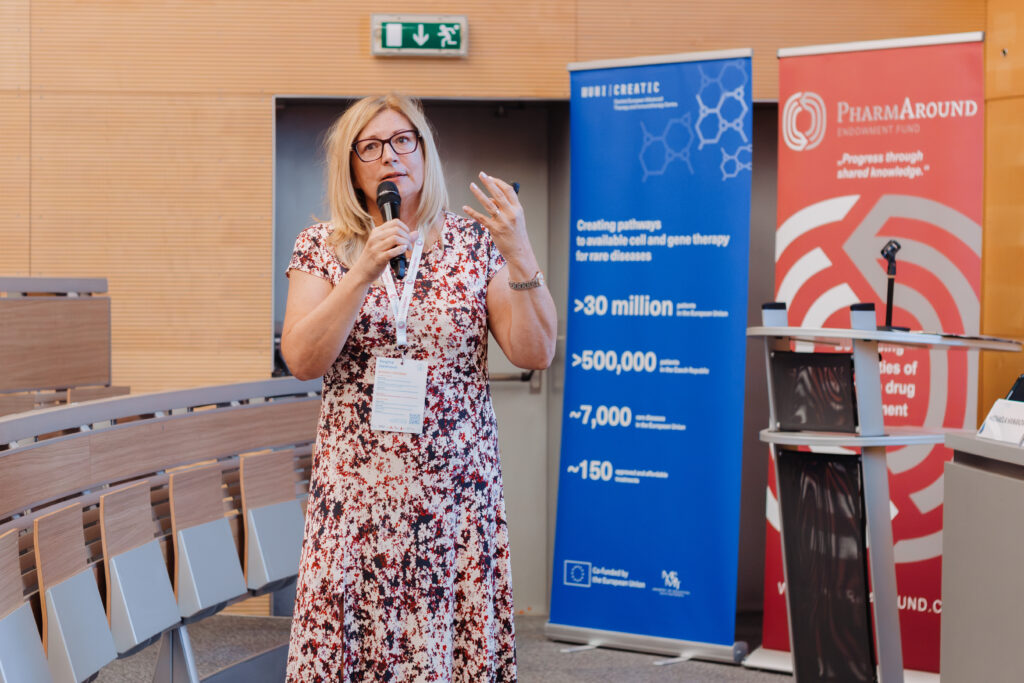
Assoc. Prof. Regina Demlova, M.D., Ph.D., director of the CREATIC Center of Excellence at the Faculty of Medicine, Masaryk University ( MUNI | CREATIC ) and the Czech National Network for the Support of Clinical Research ( CZECRIN ), introduced the participants to the field of modern personalized medicine. In her presentation, she focused on Advanced Therapy Medicinal Products (ATMPs), which include, for example, cell and gene therapies. She explained their principles and how they differ from conventional medicinal products. These therapies, also known as “living drugs,” open up new possibilities for personalized treatment, but at the same time, they entail specific requirements for manufacturing, regulation, and implementation in clinical practice.
From Documents to Real-Life Situations with Patients
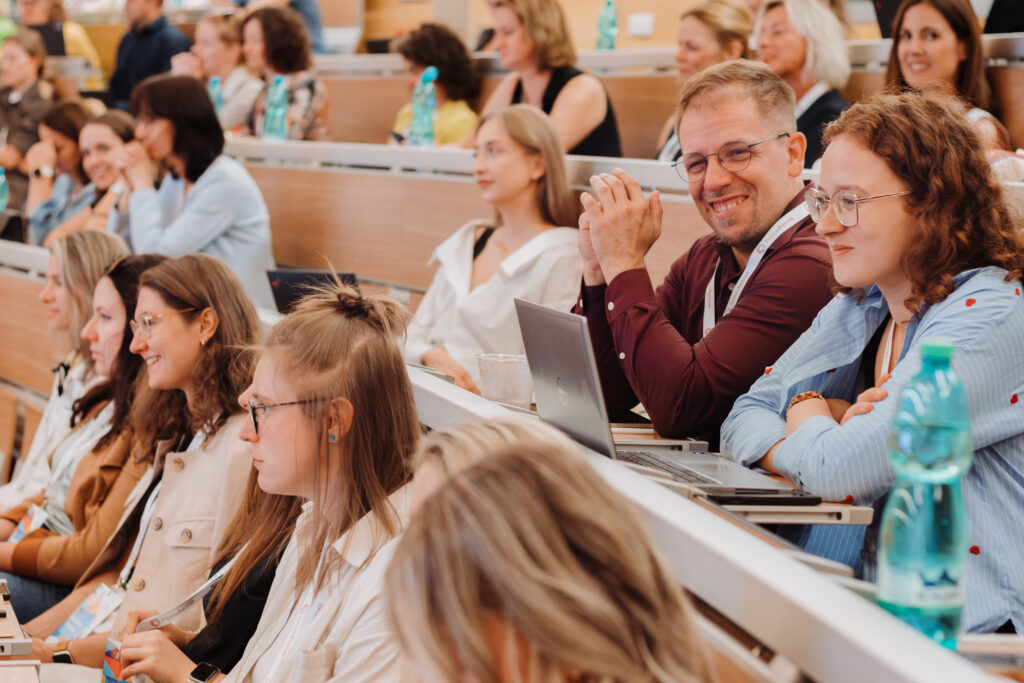
However, the conference was not based solely on traditional lectures. Session III, dedicated to reenactments of real-life scenarios from the coordinators’ practice, presented specific problems and decision-making moments from clinical trials directly to the audience through videos. The opportunity to learn how colleagues at other institutions handle the same or similar situations was a recurring theme throughout the entire meeting.
Pandora’s Box Called ISF
The second day of the conference began with a topic that virtually every study coordinator is familiar with—the Investigator Site File (ISF).
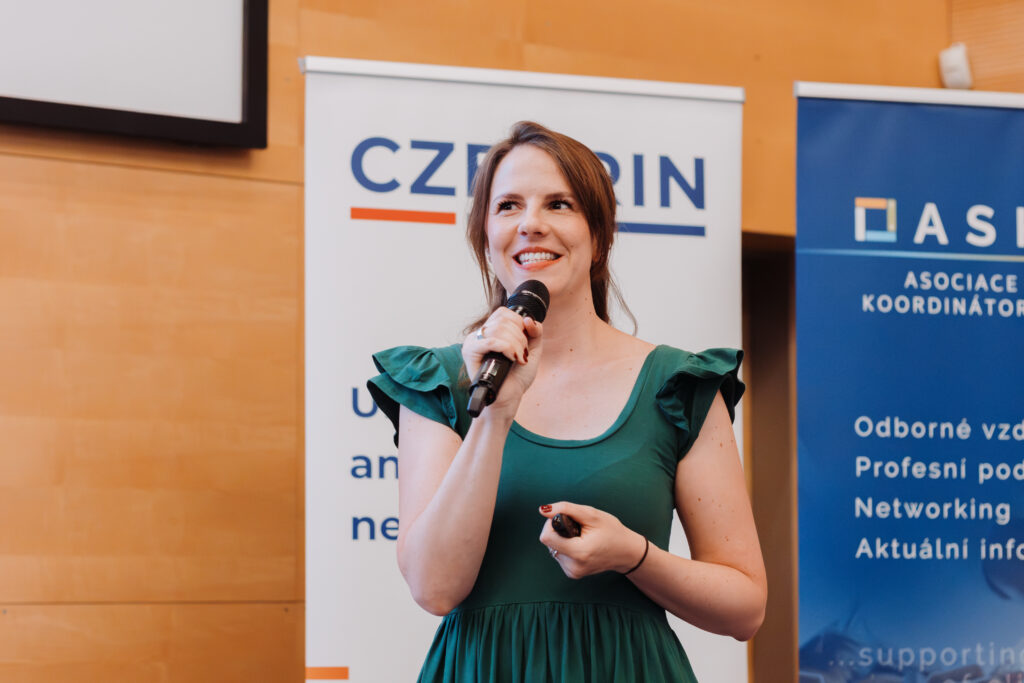
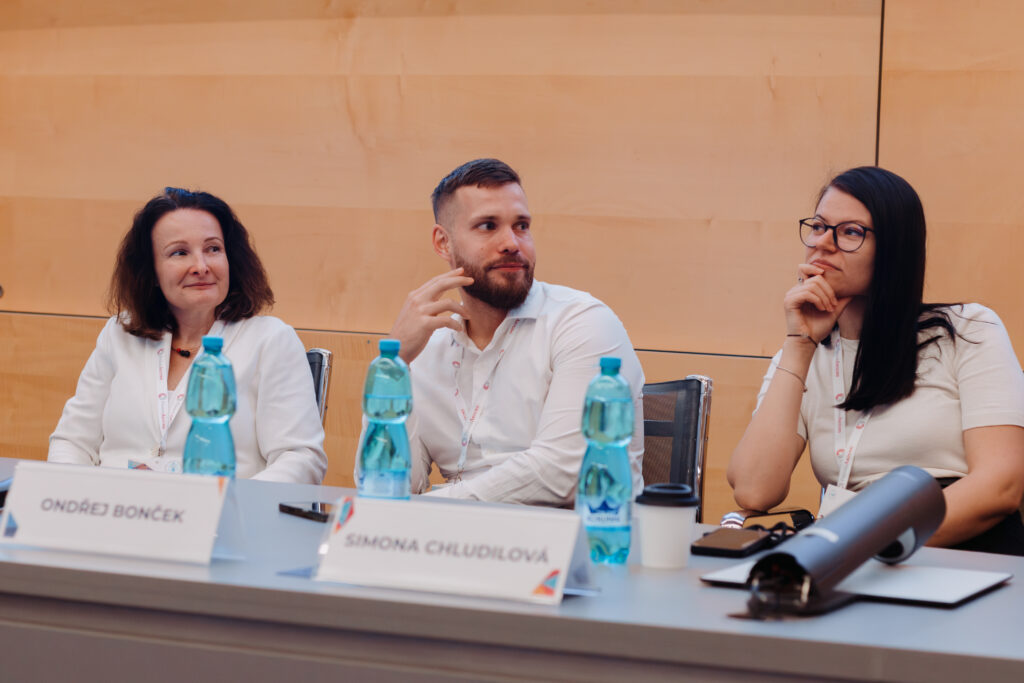
The ASKAS Working Group —the Association of Study Coordinators and Nursing Educators—opened a figurative “Pandora’s box” of key clinical trial documents. The presenters—Mgr. Johana Krempová, Mgr. Simona Chludilová, Mgr. Michaela Hanáková, and Ing. Ondřej Bonček—provided practical demonstrations of how to work with the ISF correctly. The session also gained significant value from an analysis of nearly 300 findings related to the ISF from audits and inspections of eight major Czech centers, ensuring that the discussion was based not only on general principles but, above all, on real-world experiences and situations that actually arise in practice.
This year’s session also served as a brief preview of a more comprehensive training course on the fundamental documents of clinical trials, which ASKAS plans to launch in 2027.
Artificial intelligence and digitization are no longer just a matter for the distant future
One of the most topical themes of this year’s event was a session dedicated to the digitization of clinical trials and artificial intelligence (AI).
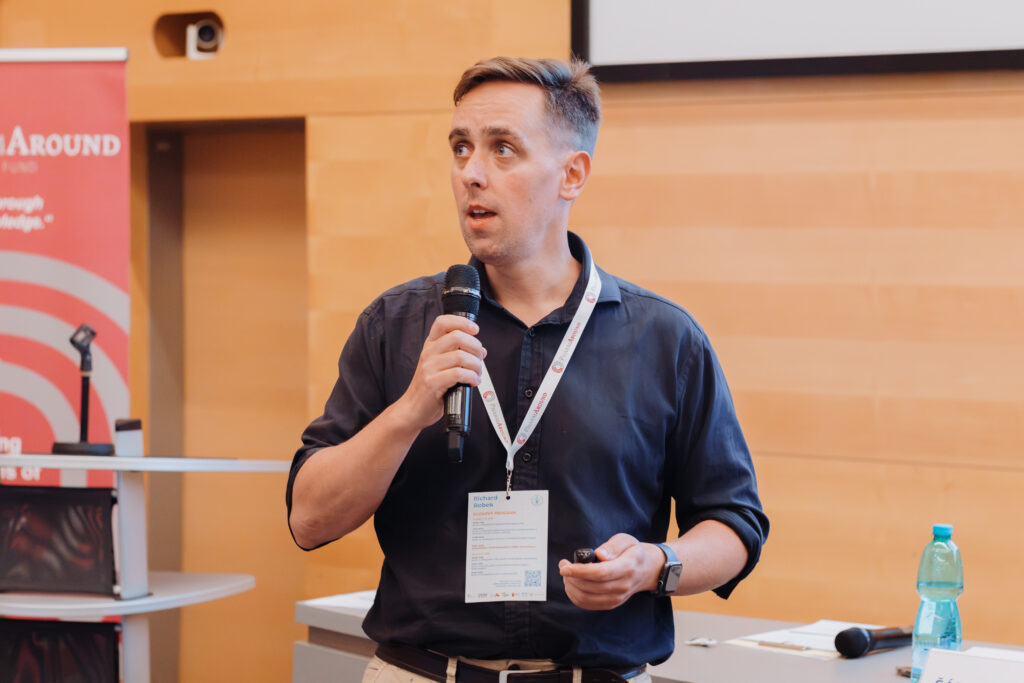
Richard Bobek, M.Eng., demonstrated how AI can help with data analysis, detecting risk signals, and identifying areas that require closer scrutiny.
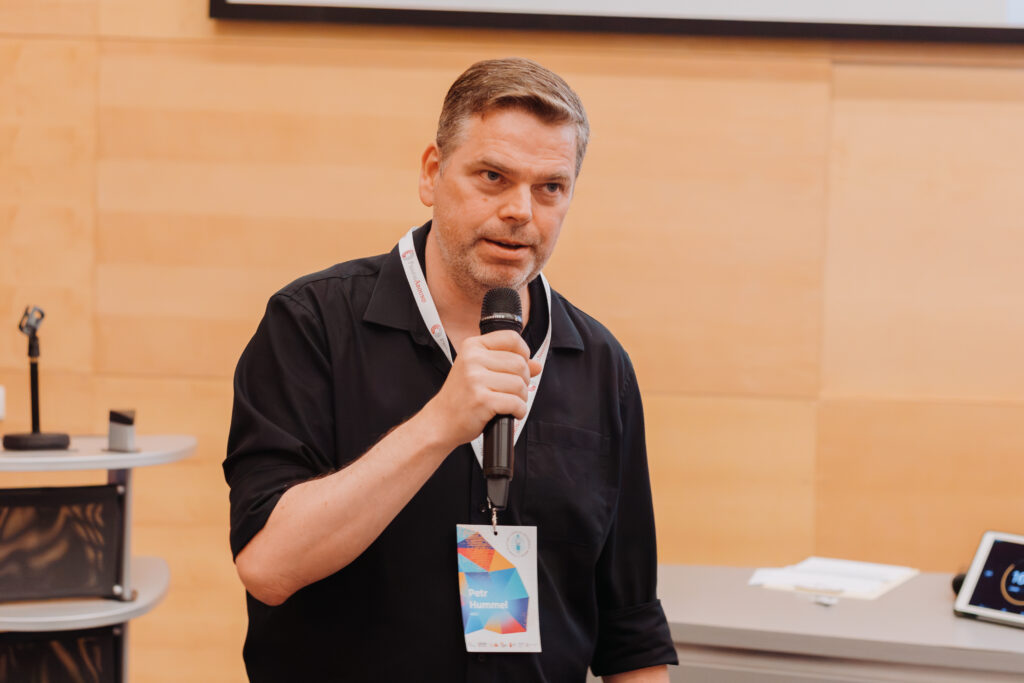
However, just as important as the possibilities offered by new technology are its limitations. Petr Hummel, M.Eng., therefore raised questions regarding security, the protection of confidential and patient information, the GDPR, compliance, and the responsibility of everyone who uses AI tools.
Dr. Martin Dusek, M.D., MBA, provided a different perspective on digitization, offering the sponsor’s viewpoint and sharing his initial experiences with monitoring in the context of electronic health records. Data integrity, audit trails, access control, and the availability of source data are not merely technical terms. They directly influence the day-to-day work of study teams as well as the quality of clinical trials.
In Conclusion: Effective Planning and Personal Development
After two days packed with technical topics, Ing. Lukáš Havránek from the GrowJOB Institute concluded the conference with a session on effective planning. After all, managing priorities, time, and the volume of daily tasks is something that unites coordinators across workplaces, regardless of the type of study or the size of the center.
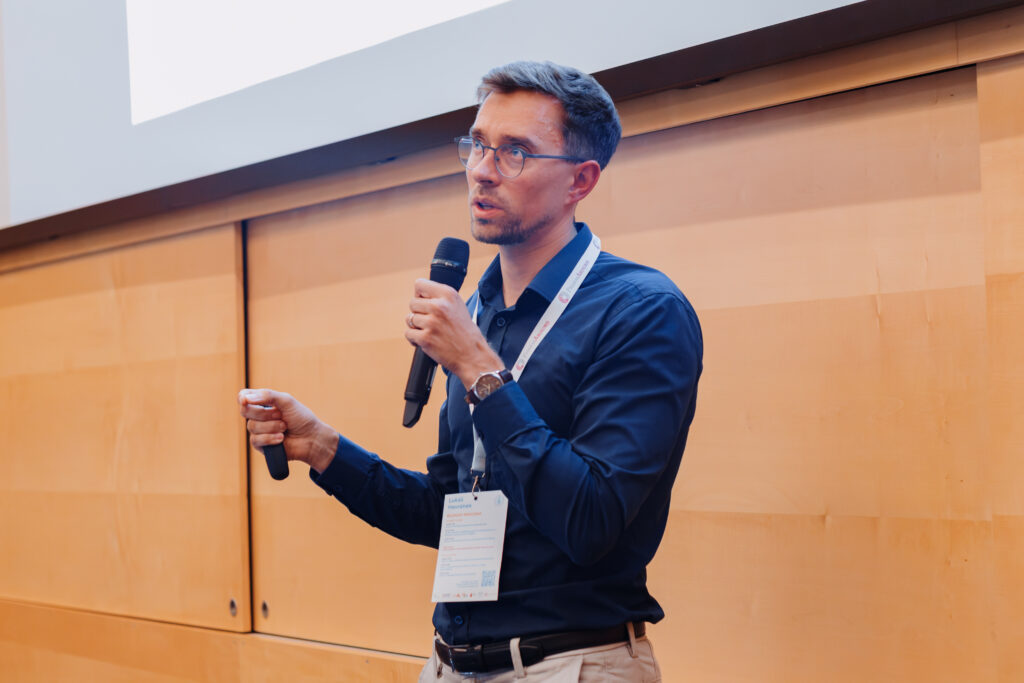
This year’s program thus concluded with a reminder that the quality of clinical research depends not only on processes, data, and technologies, but above all on the people who work with them every day.
The most important things often happen between lectures
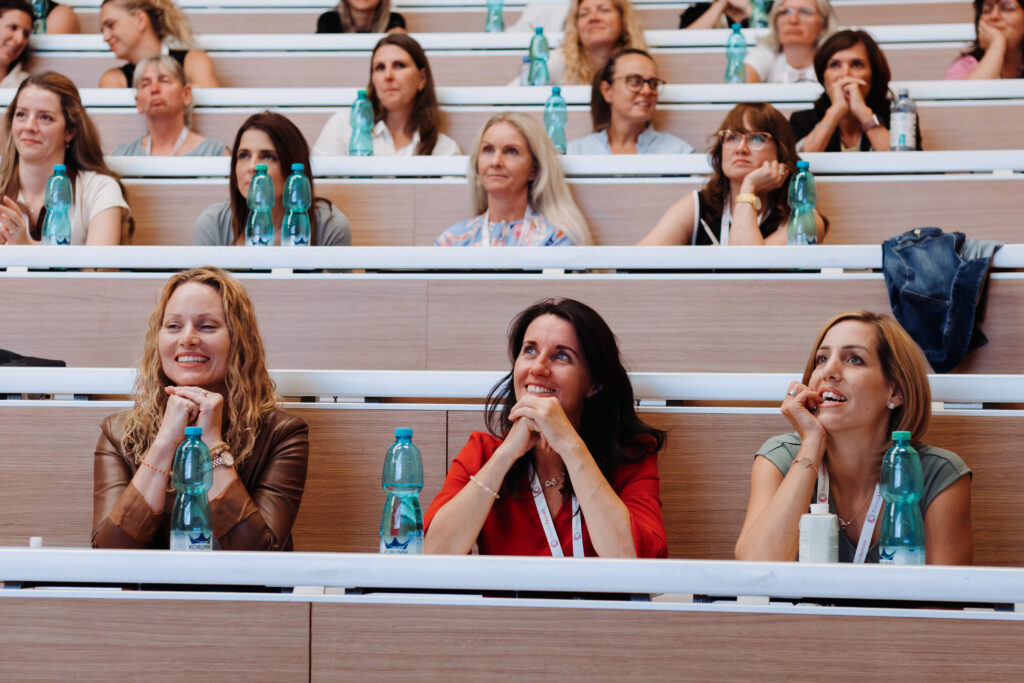
The conference covered a range of professional topics, but its value lay not only in what was said from the stage. It also lay in the questions from the audience, the conversations during breaks, the sharing of specific experiences, and the opportunity to discover that colleagues across the Czech Republic often face very similar challenges.
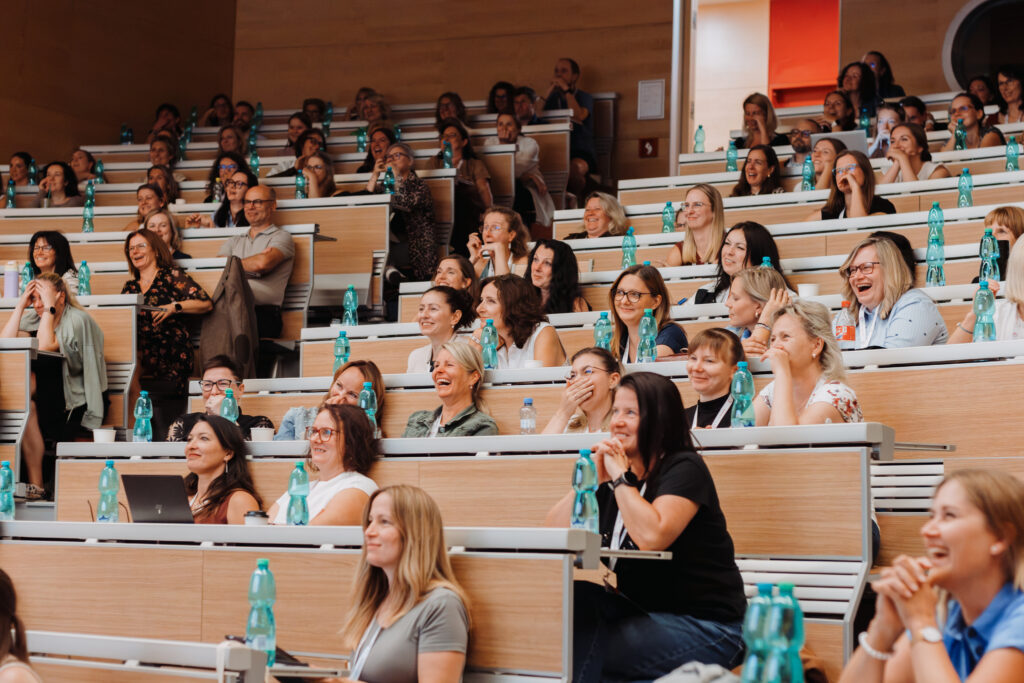
Seeing nearly 300 people in one place who share a common interest in continuing education, sharing experiences, and improving the quality of clinical research is the best reminder of why such gatherings are meaningful.
📷 You can find more photos from this year’s event in the photo gallery: https://eu.zonerama.com/CZECRIN/Album/16372851.
We would like to thank everyone who took part in the 9th annual event and who, through their involvement, are contributing to the further development and improvement of clinical research.
See you in 2027 at the 10th anniversary edition!
📷 Photo: CREATIC Center of Excellence ( MUNI | CREATIC )