There are currently 486 clinical trials underway in the Czech Republic, involving more than 2,300 research teams. In 2025 alone, these trials gave 17,451 patients access to innovative treatments—often several years before they would have been normally available. The importance of clinical trials for patients, the healthcare system, the economy, and the Czech Republic’s international standing was discussed at a press conference held by the Association of the Innovative Pharmaceutical Industry.
Clinical trials are an important part of modern medicine. They can offer patients access to innovative treatments in situations where standard therapeutic options are no longer sufficient, and they provide healthcare teams with experience in the latest treatment methods. At the same time, they strengthen the involvement of Czech institutions in international clinical research and make a significant contribution to both the Czech healthcare system and the economy.
These were the very topics addressed at a press conference held by the Association of the Innovative Pharmaceutical Industry, which opened a discussion on the current state of clinical trials in the Czech Republic, their benefits for patients, and the conditions that will determine the Czech Republic’s future position in international clinical research.
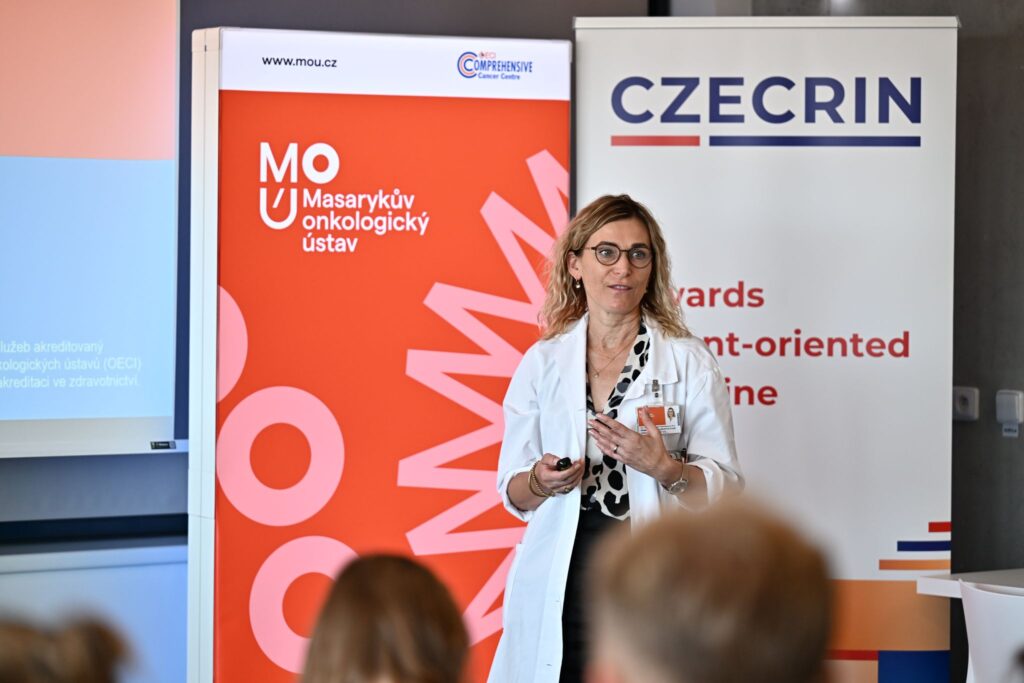
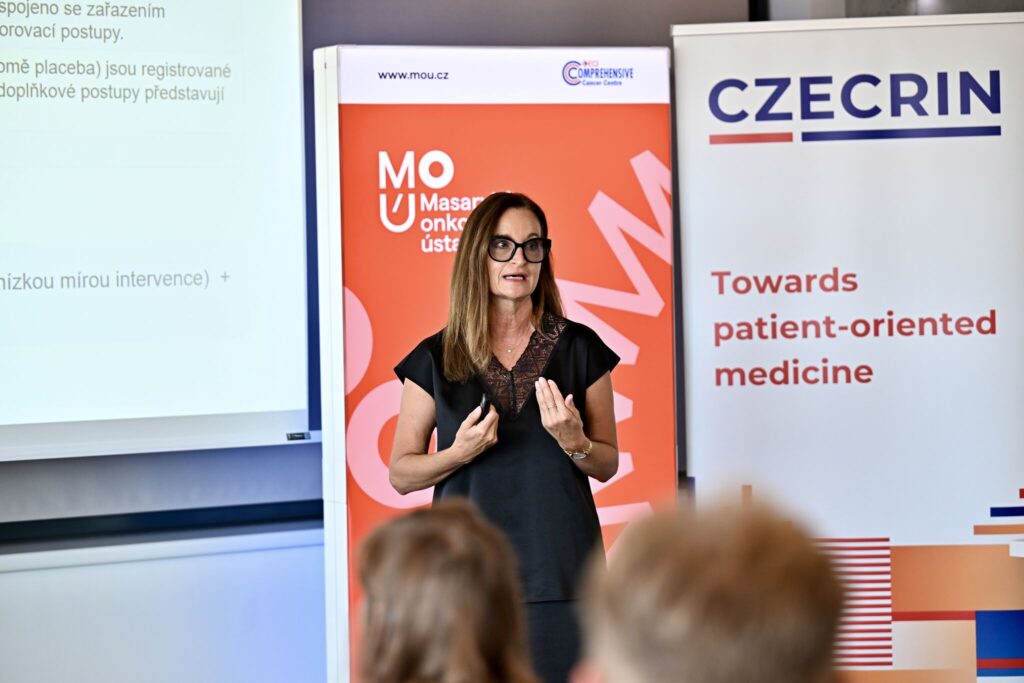
Speaking on behalf of CZECRIN and MUNI | CREATIC at the press conference was Regina Demlová, M.D., Ph.D. , who focused her presentation on how conducting clinical trials expands the expertise of Czech physicians and what benefits clinical trials offer to patients. She noted that clinical trials are not merely research into new drugs, but also an investment in the future of Czech medicine, the professional development of physicians, and, above all, better patient care.
In her remarks, she also emphasized the importance of clinical trials for the professional development of clinical and research teams. Participation in clinical trials allows physicians to gain experience with innovative medications, collaborate with international teams of experts, and apply new findings to routine clinical practice. This aspect is important not only for individual medical facilities but also for the overall quality and competitiveness of the Czech healthcare system.
CZECRIN’s Role in the Development of Clinical Research
CZECRIN, a national research infrastructure focused on clinical research, has also long supported the development of high-quality, professionally conducted clinical research in the Czech Republic. It connects the academic community, clinical centers, and specialized teams, and helps create the conditions necessary for conducting clinical trials in the Czech Republic in accordance with international standards.
High-quality infrastructure, expert capabilities, efficient organization, and the ability to collaborate across institutions are among the key prerequisites for the Czech Republic to remain one of Europe’s leading centers for clinical research.
Clinical Research in an International Context
Clinical research is now a global discipline. The location of new studies is increasingly determined by the speed of processes, the quality of infrastructure, the availability of experts, digitalization, and the predictability of the environment. The Czech Republic has a strong professional foundation and a good international reputation in this field, but its position is by no means a given.
Going forward, it will be important to continue strengthening the professional infrastructure of clinical centers, promote digitization, streamline administrative processes, and create stable conditions for research and development. At stake are not only investments and professional capacity, but above all the opportunity for patients in the Czech Republic to receive innovative treatments as soon as possible.
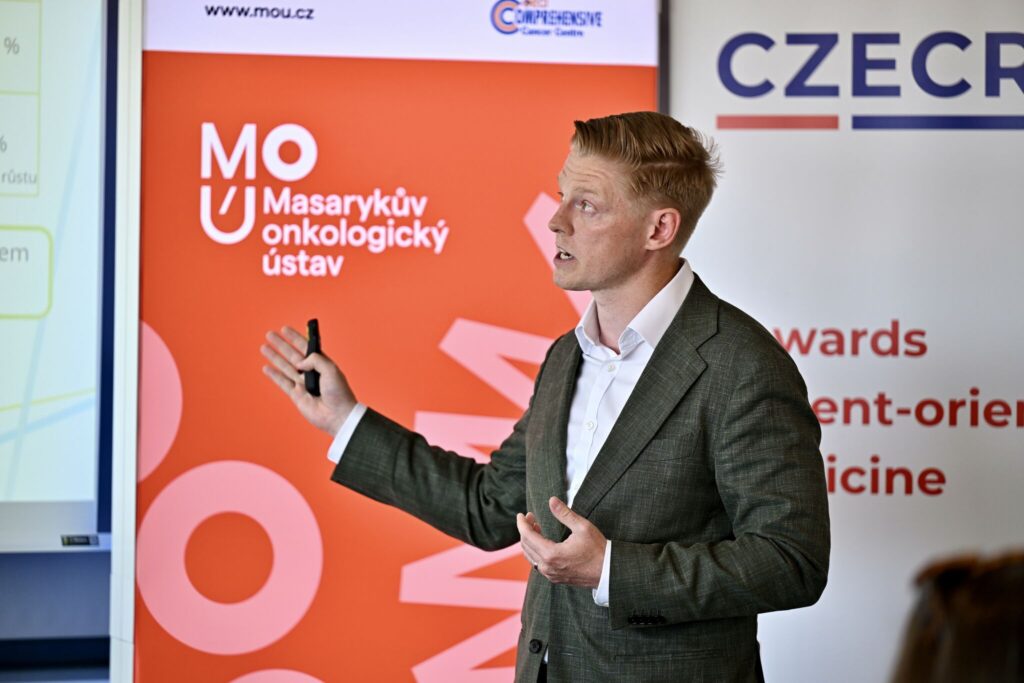
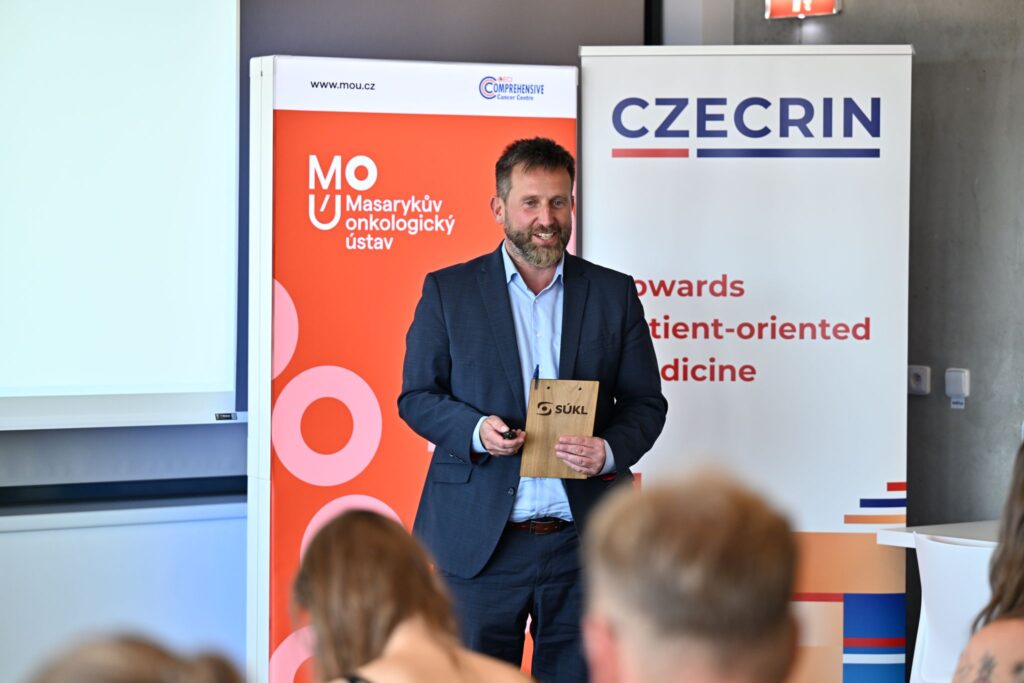
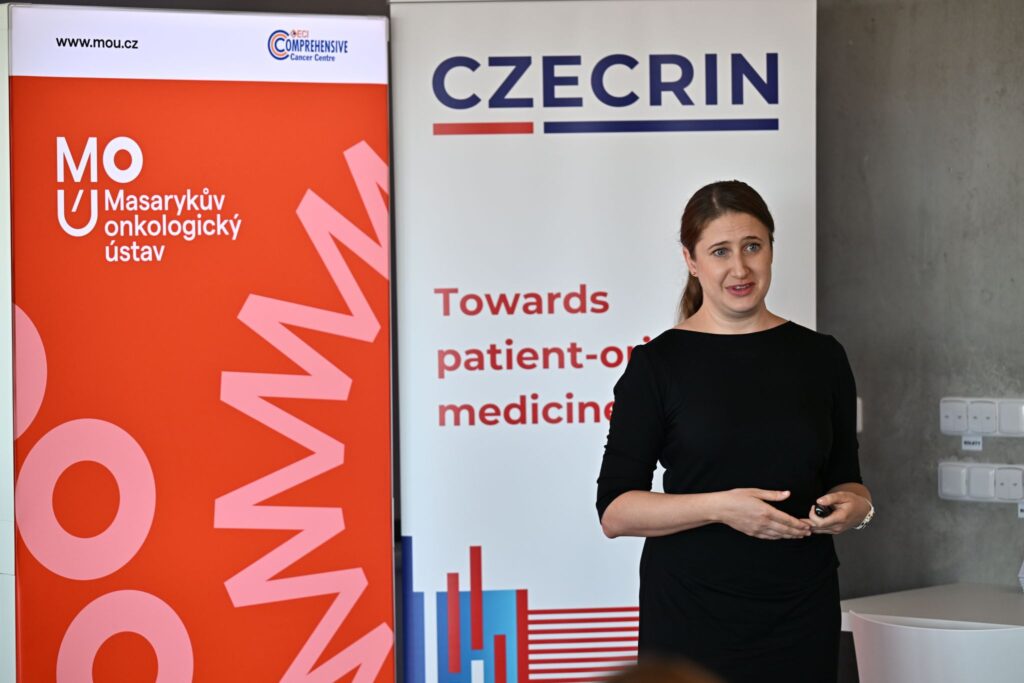
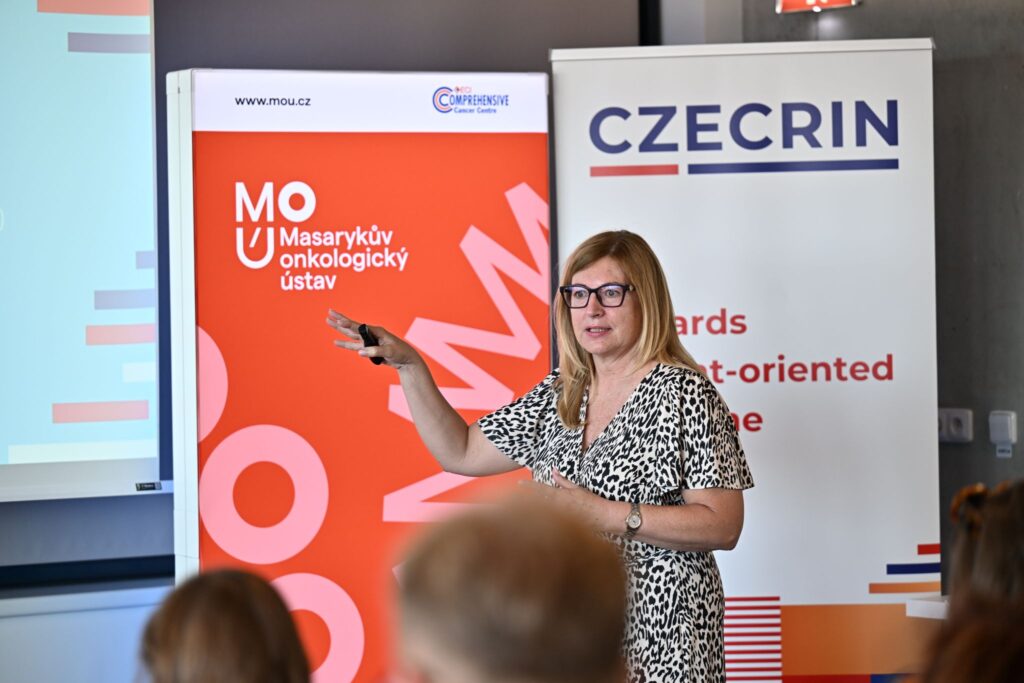
We would like to thank all the speakers and participants at the press conference for their very interesting insights and contributions to the discussion. In addition to Assoc. Prof. Regina Demlová, M.D., Ph.D., speakers included David Kolář, M.A., M.H.A., from the Association of the Innovative Pharmaceutical Industry, MUDr. Tomáš Boráň from the State Institute for Drug Control, MUDr. Beata Čečetková, Ph.D., an expert in clinical trials and chair of the AIFP Clinical Trials Platform, Mgr. Jana Hlaváčová from the Ministry of Health of the Czech Republic, Assoc. Prof. MUDr. Radka Lordick Obermannová, Ph.D., from the Masaryk Memorial Cancer Institute, and Michaela Walsbergerová, who brought an important patient perspective to the discussion.
A recording of the press conference and the speakers’ presentations—including the document “Ten Steps to Support Clinical Trials in the Czech Republic”—are available on the AIFP website
https://www.aifp.cz/cs/klinicke-studie-v-cesku-jsou-prinosem-pro-pacienty